- Admission Open For New batch
Advanced Certification in Full Stack Development
In Association with:
Certification aligned to:

- Advanced Certification Training Program by Ethan’s.
- 06 Months technical training program with hybrid classes (online + offline), ideal for learners looking for a full stack developer course or full stack training in Pune.
- Suitable for college students, graduates, postgraduates, candidates with a career gap, and early professionals.
- Start from scratch – no prior experience needed, all prerequisites will be covered.
- Next-Gen curriculum for the age of modern web applications, cloud-native development, APIs, and AI-powered platforms.
- Future-ready content for the age of ChatGPT, Generative AI, and intelligent automation.

31st Dec
Next Batch
06 Months
Course Duration
Hybrid
Online + Offline
5 LPA
Avg Package


Why Enroll Full Stack Development Course?
Why Enroll Full Stack Development Course?
Join our Advanced Certification in Full Stack Development course in Pune. This comprehensive program covers essential tools and technologies such as Python, Django, React, Node.js, HTML, CSS, JavaScript, and SQL. Enhance your full stack development skills with expert guidance from Ethan’s. With our course, you’ll gain the expertise to handle real-world business applications using a variety of development tools. Join our Advanced Certification in Full Stack Development today and kickstart your journey to becoming a proficient full stack developer.
Lectures: 750 Hours | Duration: 06 months | Training Mode: Classroom & Online
Register to confirm your seat. Limited seats are available.
Guest Lectures by IIT professors
Ethan's Tech Career Track
IIT Approved Mentors
Advance Curriculum
Full Stack Development Training Location
- Wakad
- Kharadi
- Shivajinagar



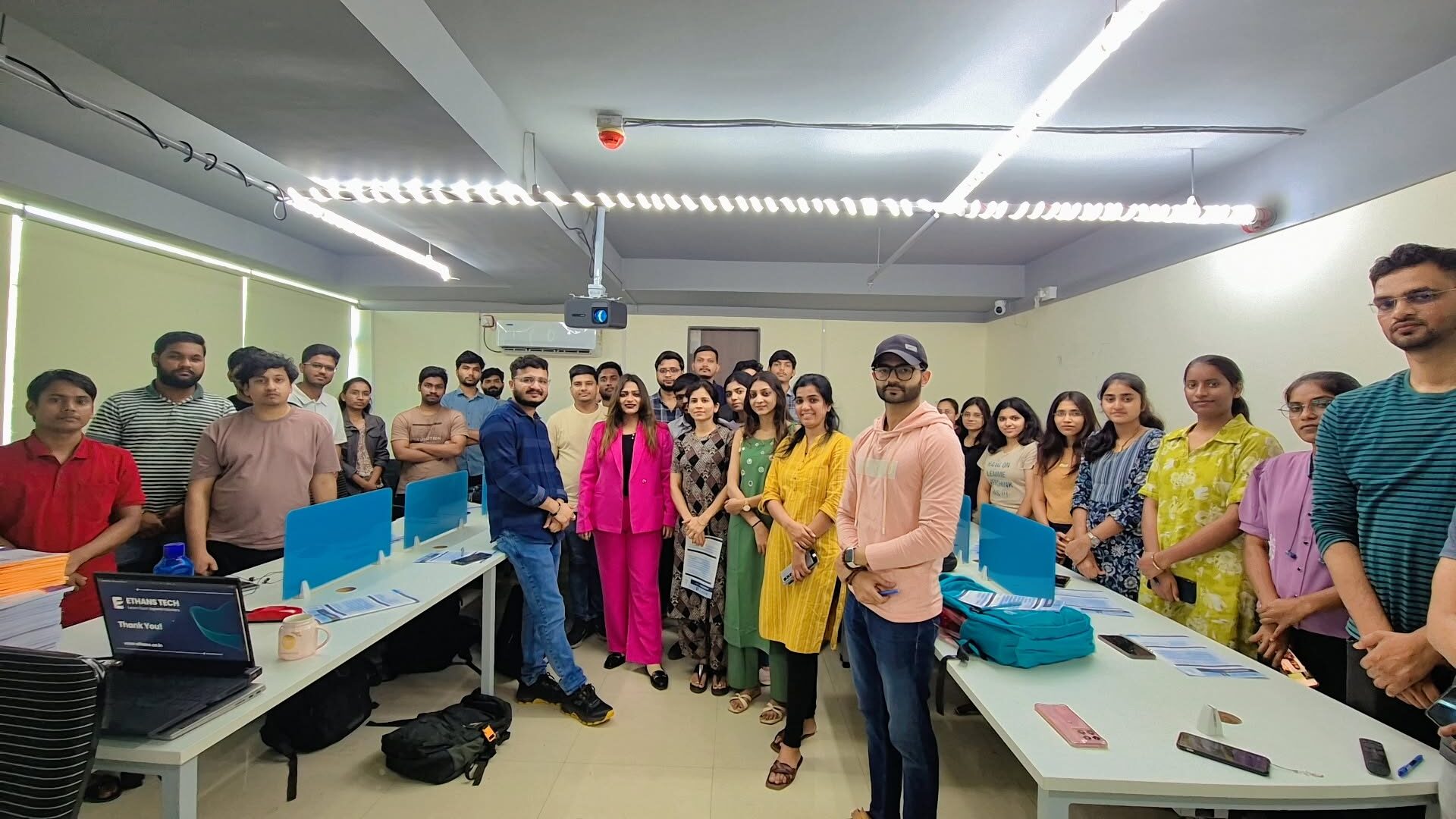
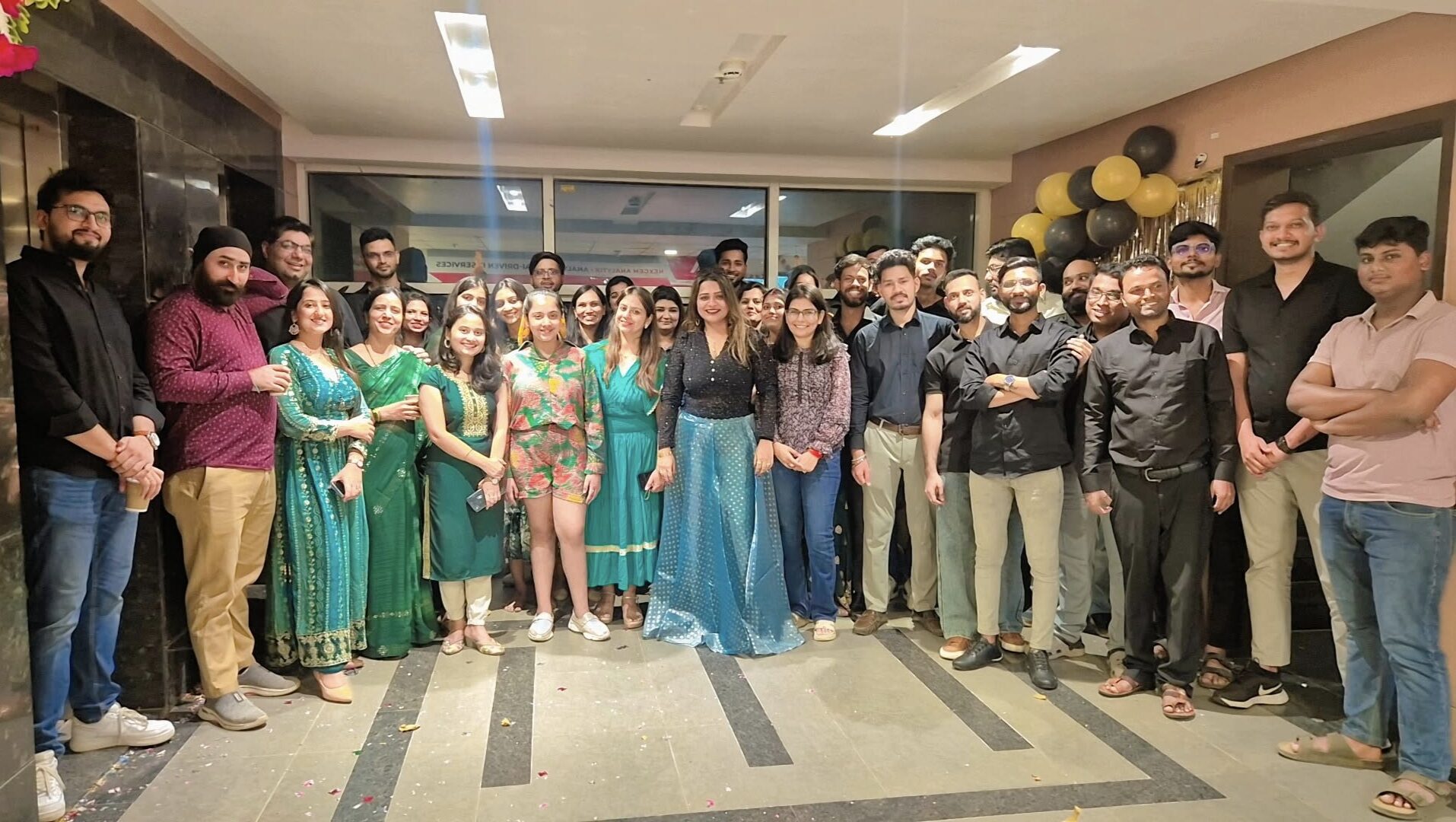
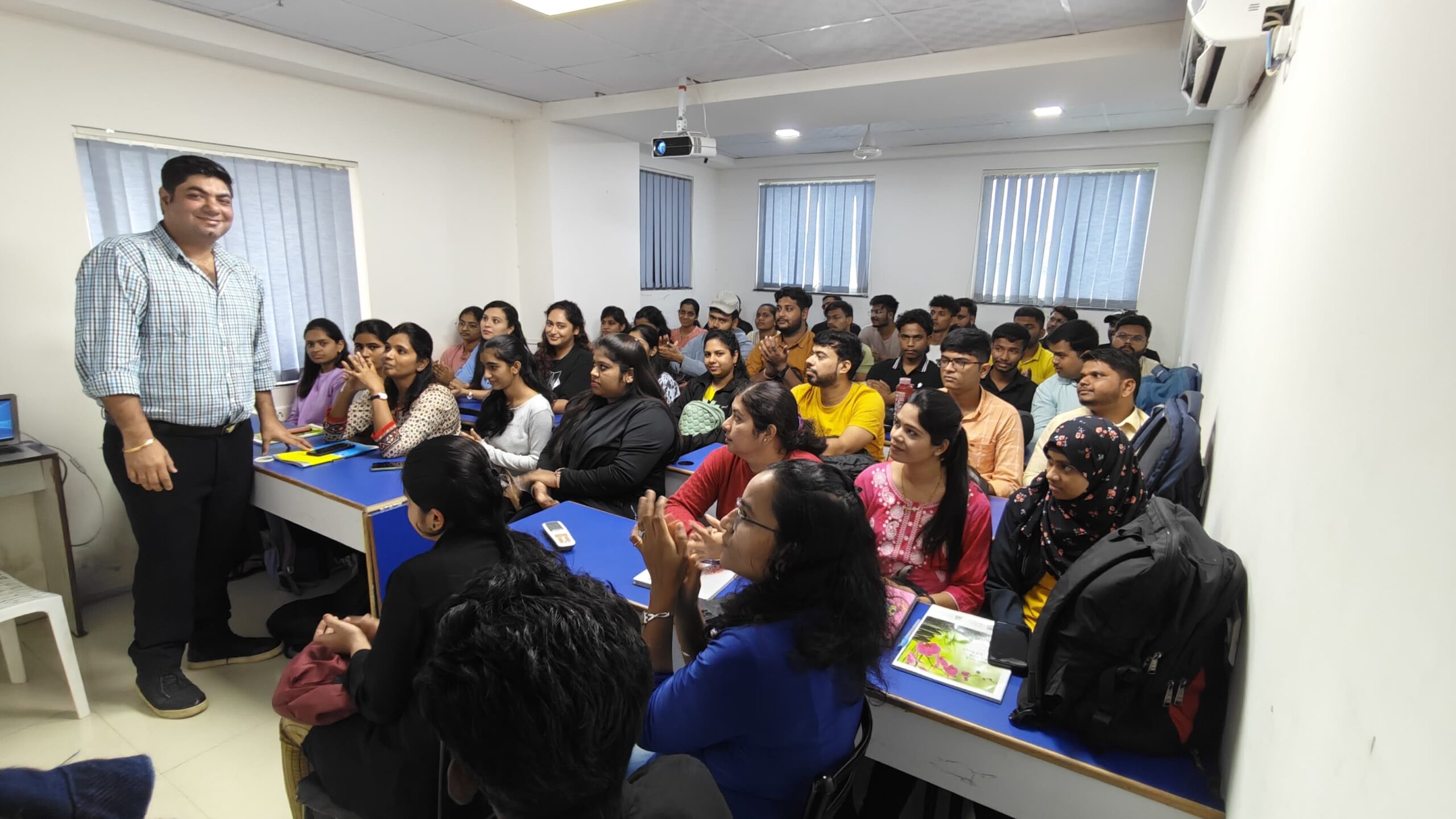

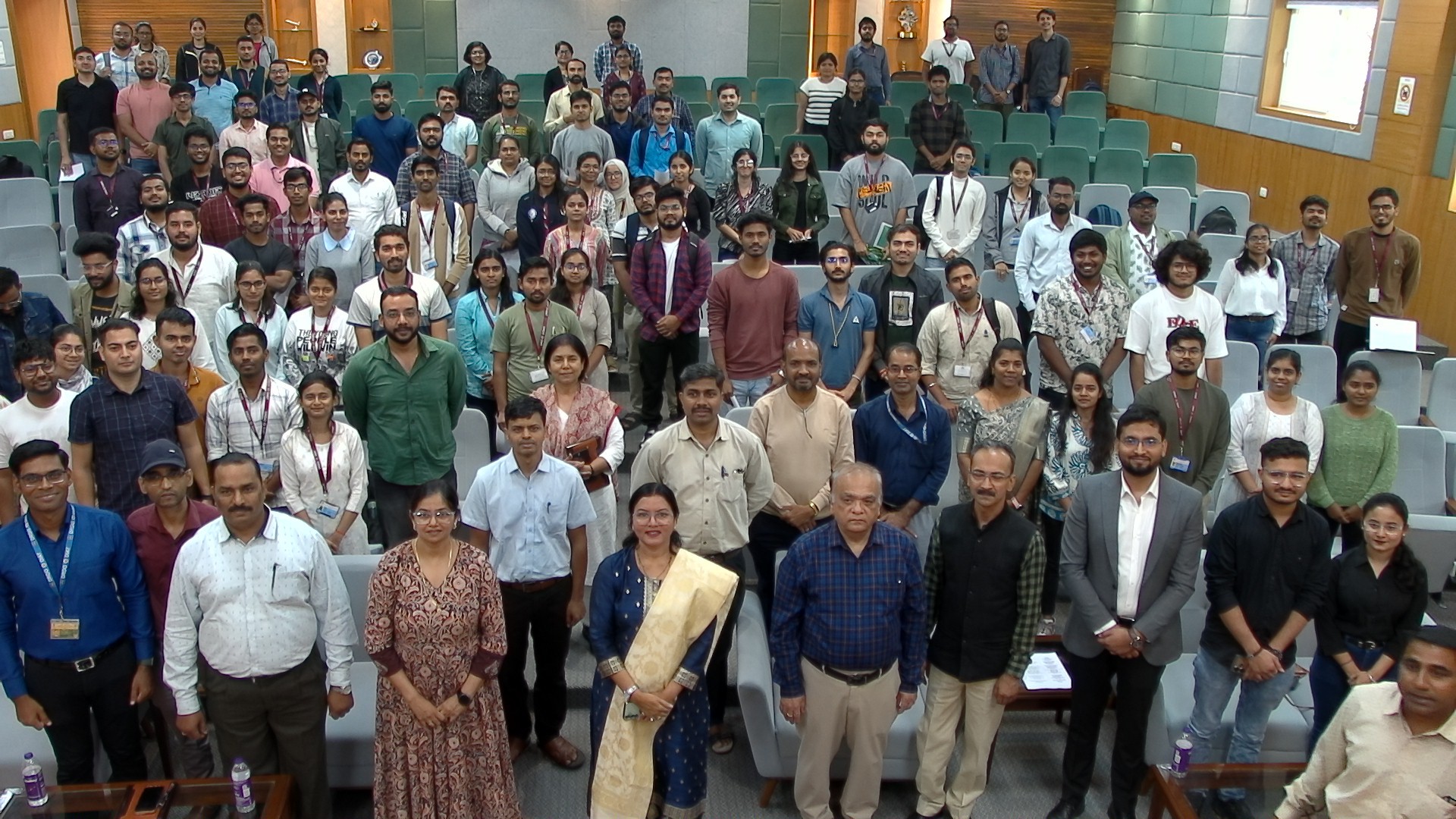








Learn From the Masters
Our team is made up of industry experts, seasoned professionals, and passionate trainers who work together as a close-knit family. We believe in not just teaching, but inspiring and growing together — creating a learning environment that feels like home and performs like the best in the business.

Gurjeet Sir
Ex IIT Kharagpur, AI

Sachin Sir
Ex Microsoft – Azure

Vinit Sir
Ex IIT Bombay, GenAI

Alam Sir
Cloud & DevOps Architect

Jatin Sir
Ex Credit Suisse, Python

Siddhant Sir
Ex IIIT Allahabad, DSA

Raman Sir
Ex-Data Analyst, MuSigma

Anurag Sir
Ex-IIM Bangalore, GenAI

Himanshu Sir
Unlock 20,000+ Worth of Premium Bonuses 100% FREE!

Master the Best Tech Tools








About the Course
What is Full Stack Development all about?
Python full stack development refers to the process of developing both the front-end and back-end of a web application using Python and its associated technologies. A full stack developer has the skills to create a complete web application, from designing the user interface to managing the server and database. This approach ensures a seamless and integrated development process, leading to efficient and cohesive applications.
Key aspects of Python full stack development include:
Front-End Development: Creating the user interface using technologies like HTML, CSS, and JavaScript frameworks such as React or Angular.
Back-End Development: Building the server-side logic and database interactions using Python frameworks like Django or Flask.
Database Management: Designing and managing databases using SQL or NoSQL databases to store and retrieve data efficiently.
API Development: Creating and integrating RESTful APIs to enable communication between the front-end and back-end.
Version Control: Using tools like Git to manage code versions and collaborate with other developers.
Why Choose Ethans for Python Classes in Pune?
In today’s competitive world, we all know the importance of choosing a right mentor and perfect training partner to provide end-to-end services to resources. Python training in Pune at Ethans can help individuals to build a bridge to grow their career and also achieve python global certification. Our authentic Python training course which has helped 9000+ students since 2015 play a significant role in boosting student’s skills with our impressive training program. Our 10-90% proper Python training model on theory and practical’s with various Python IDE’s like Jupyter notebook, Spyder, Pycharm and other editors help students to gain industry learning experience. Python Trainer’s personal guidance and individual attention in the class is providing an edge over competitors. Separate doubt sessions and Ethans knowledge sharing dashboard help students to clear minimal doubts within the class. Our Python training syllabus is prepared and focused on giving the best learning experience and we consistently deliver the best results with an accepting student-centric approach towards a great career. There are boundless openings for Python jobs for freshers in the market.
Ethans is the top Python training center in Pune with a job placement assistance program, after successful completion of the course, students are eligible for interview at various IT companies. Our professionals train the students on Python advanced interview questions for Python openings in Pune and other cities. Our program is also focused on providing classes to non-IT students who wish to change their career into the IT industry. We built various success stories and Python syllabus for beginners to make sure none of our students are left behind with their dreams. Ethans is known for structured learning, quality standards, highly experienced trainers from the industry.
We provide Python course details and prepare individuals to become experts and crack Python jobs for fresher in Pune. With providing the best online Python course with certification in Pune, Our students come out incredibly experienced in Python programming.
During the effective learning program of the python certification course at Ethans, students can go through quizzes, hacker rank tests, code chef programs and you can learn all prospects the field of Python holds. During the class students can go through various learning format which target them to focus on following IT job positions including Data Engineer, Applications Development, Web Development, Software Developer, Automation Engineering, Data Scientist, Research Analysts, QA Engineer, DevOps Professional, Cloud Computing Developer and Architect, Data Analyst and similar Position like this.
What are the benefits of using Python?
- Easy to read, learn and write– Python may be a high-level programming language that has English-like syntax. This makes it easier to read and understand the code. Python is actually simple to select and learn, that’s why plenty of individuals suggest Python to beginners. you need fewer lines of code to perform identical tasks as compared to other major languages like C/C++ and Java.
- Improved Productivity- Python could be a very productive language. Because of the simplicity of Python, developers will concentrate on solving the problem. They don’t need to pay an excessive amount of time understanding the syntax or behavior of the programming language. You write less code and get more things done.
- Interpreted Language- Python is an interpreted language which means that Python immediately executes the code line by line. In case of any error, it stops in addition execution and reviews again the error which has occurred. Python indicates only one error even though the program has a couple of errors. This makes debugging easier.
- Dynamically typed- Python doesn’t recognize the kind of variable till we run the code. It mechanically assigns the data kind during execution. The programmer doesn’t want to fear putting forward variables and their data types.
- Free and open-source- Python comes under the OSI-authorised open-source license. This makes it free to apply and distribute. You can download the source code, regulate it or even distribute your version of Python. This is beneficial for companies that need to regulate a few particular behaviors and use their version for development.
- Vast libraries support- The popular library of Python is huge, you could locate almost all of the features wanted on your task. So, you don’t need to rely upon external libraries. But even in case you do, a Python package manager (pip) makes things simpler to import other exceptional packages from the Python package index (PyPi). It includes over 200,000 packages.
- Portability- In many languages like C/C++, you want to change your code to run this system on specific platforms. That isn’t always the same with Python. You only write once and run it anywhere. However, you ought to be cautious now no longer to consist of any system-based features.
What are the top 5 reasons to Learn Python?
- Python is a high-level programming language which has impressed IT companies and professionals since last decade. Many companies adopted Python as the primary programming language for application & web development, data science, data analytics, cloud and DevOps. Several big companies including Google, Facebook, Disney, Netflix, Uber, Dropbox, Pinterest etc. Python works on the DRY (Don’t Repeat Yourself) principle, it enhances the readability of Python code. This course is an ideal choice for the development of a rapid application.
- Python has vast collection of libraries, when you download Python it comes with extensive set of in-built libraries, which includes Text Processing Services, Numeric and Mathematical Modules, Functional Programming Modules, Data Compression and Archiving, Cryptographic Services, Generic Operating System Services, Networking and Interprocess Communication, Internet Data Handling etc. Python also provides its repository pypi, The Python Package Index (PyPI) is a repository of software for the Python programming language.
- Python Popularity and high Salary Demand, when you compare python with other programming language demand of Python is high, companies are looking for Python developers with multiple skills. Python engineers have the highest salaries in the industry. The average Python Developer salary in the United States is approximately $80,000 to $150,000+ per year. There is a huge Python demand-supply gap in the market. Companies mostly go to Python Automation engineer, Data Scientist, Cloud Computing, Oddo Developers and Web Developers. Understand Python course duration and fees with Ethans and enroll to gain the best Python developer jobs in Pune for fresher.
- Massive Open Course Community, there are more than 50000+ Python developers contributing to Python Open Source Development. Under pypi.org many developers contribute toward library development, daily more than 400+ new libraries are registered in pypi. Apart from pypi, github is full of Python development projects and helps other developers to use the already written code. Issues in the Python interpreter reported very less bugs and new versions with new features introduced very frequently.
- Multiple Purpose language, Python is known as a Swiss knife of technology which can do many task with current infrastructure, It’s not tied with just one thing, for example – R Programming, which is right only on Data Science and Machine learning but nowhere when it comes to interface with third party tools or creating a webpage, creating business application. Python OpenERP systems, Python Django, Python Flask, Python numpy, pandas.
Ethans organizes Python classes online that are carefully designed as per the trends in the market and standards of the industry. Theoretical lessons are complemented with the online Python training modules so that learning can become easy and maximizes the potential in a definite time schedule.
What are the real-world applications of Python?
- Web Development – When it comes to web development Python is the programming language which met all the expectations from the developer aspect. Python is available with various web development frameworks including Django, Flask and Bottle. Python also provided content management systems like Plone and Django CMS. Using a web development framework is easy in Python and contains various standard libraries for database interaction, OS modules and content management. These frameworks are reliable, secure, scalable and flexible for development. Ethans provides the best Python programming syllabus in Pune.
- Application Development – Python follows modular and object oriented principles and is scalable to operate on multiple operating systems. It is a number one choice among developers for Applications Development. Python libraries and packages are helping the developer to do rapid development in the software Industry. From developing simple data processing engines to complex applications like ETL development will help developers to develop desktop and software applications, Python can do it all. Python online course certification can give you training on how to apply these principles.
- Data Science – Whatever the need in the Data Science field, you name it and Python has it. Starting from statistical analysis of data Python has a strong library consisting of all statistical functions i.e. numpy. This library is distributed under BSD and provides strong support in providing high level syntax which makes it accessible and productive for programmers from any background or experience level. Another library built on the top of Python programming language course includes pandas, pandas is a fast, powerful, flexible and easy to use open source data analysis and manipulation tool. Scikit-learn is another exceptional library that provides simple and efficient tools for predictive data analysis. It is built on numpy and SciPy, and matplotlib. Another library is distributed under BSD.
- Data Analytics – Python supports data analyzation and visualization process, this further simplifying the process of creating custom solutions minus the extra effort, time investment, and used for creating dashboards easily. Matplotlib, Seaborn, plotly are visualization tools and provides a high-level interface for drawing attractive and informative statistical graphics. Combination of pandas, numpy, Python programming and Seaborn developer creates an interactive solutions in data analytics field under various domains including retail, telecom, banking, capita, consulting, digital marketing, management and other IT related domains. You name it and we have covered under the Python course syllabus in Pune.
- Automation Software – Python leads the automation software industry for a decade now and it’s a number one choice of automation testers and manual testers. To automate the tasks which are done manually since ages. Python has the monopoly with the backend and frontend testing industry. There are many automation testing frameworks available for users starting with Unit Testing Tools – unittest, pytest, nose, subunit, testtools, sanchoetc, Mock Testing Tools – Ludibrio, PyMock, minimock, Mox, Fudge etc, Web Testing Tools – twill, FunkLoad, PyXPCOM, windmill, Selenium, webtestetc, GUI Testing Tools – guibot, pywinauto, PyUseCas, ATOMacetc, Continuous Integration Tools – buildbot, Bitten, SVNChecker, pony-build, KREM
- Business Applications – Python provides various frameworks for open source business apps that help in managing businesses and organizations. Business applications are different from standard applications, as in the former demands features like readability, extensibility, and scalability. Odoo is one of very famous high demand ERP software earlier known as OpenERP which is an open source program and you never pay for it. The open source version is not crippled. You have full access to the latest versions of the modules through odoo.com, github and other code repositories. Similarly, Tryton is a three-tiers high-level general purpose application platform under the license GPL-3 written in Python and uses PostgreSQL as database engine. It’s the core base of a business solution providing modularity, scalability and security. ERPNext is another Python based application providing an effective ERP solution to run your business using on-demand, software-as-a-service platform.
- Cloud and DevOps – Cloud Computing is the practice of using a network of remote servers hosted on the Internet to store, manage, and process data, rather than a local server or a personal computer. Cloud service vendors make use of specialized libraries and packages, tools for coding in different languages. Python can be used on these cloud computing infrastructures. The AWS SDK for Python. Boto3 makes it easy to integrate your Python application, library, or script with AWS services including Amazon S3, Amazon EC2, Amazon DynamoDB, and more.
- Artificial Intelligence: Python is the most preferred language for Artificial Intelligence, It includes a number of brilliant awesome packages to do AI tasks. General AI Python Implementations are: AIMA, pyDatalog, SimpleAI, EasyAI etc. GraphLab, Feature Forge, Orange, PyBrain, PyMl, MIPy, Milk, scikit-learn, Shogun etc, Natural Language & Text Processing – NLTK, gensim, etc. Neural Networks – Neurolab, ffnet, Fast Artificial Neural Network Library and pyANN. Tensorflow – is an end-to-end open source platform for machine learning. It has a comprehensive, flexible ecosystem of tools, libraries and community resources that lets researchers push the state-of-the-art in ML and developers easily build and deploy ML powered applications.
Python Training Locations in Pune
Amazon Web Services Certification Training locations in Pune : Bajirao Road [411002], Yerwada [411006], Kasba Peth [411011], Dhanori [411015], Pune City [411022], Hadapsar S.O [411028], Airport [411032], Afmc [411040], Karve Road [410038], Ammunition Factory Khadki [411003], Aundh [411007], Dapodi [411012], Gokhalenagar [411016], Kudje [411023], Kothrud [411029], Mundhva [411036], Tingre Nagar [411000], A.R. Shala [411004], Baner Road [411004], Magarpatta City [411013], Botanical Garden [411020], Khadakwasla [411024], Lokmanyanagar [411030], Bibvewadi [411037], Bhavani Peth [411042], Dhayari [411041], Dhankawadi [411043], C D A O [411001], Shivajinagar [411005], Parvati [411009], 9 Drd [411014], Armament [411021], Donje [411025], Bopkhel [411031], Bhusari Colony [411038], Haveli [411045], Jambhulwadi [411046], Lohogaon [411047], Khondhwa [411048], Anandnagar [411051], Navsahyadri [411052], Chatursringi [411053], Gokhalenagar [411055], Warje [411058], Mohamadwadi Kadvasti [411060], Janaki Nagar [411066], Aundh [411067], Pimpri Chinchwad [411078], Nanded [411230], Gondhale Nagar [412029], Sathe Nagar [412047], Alandi Devachi [412105], Ambarvet [412115], Ashtapur [412207], Manjari Farm [412307], Viman Nagar 411014, Phursungi [412308], Shaniwar Peth [413337]
Syllabus
Advanced Certification in Full Stack Development
Syllabus of Advanced Certification in Full Stack Development
- Introduction to Computer Programming (Python)
- Programming Foundation Concepts:
- Basic Terminology
- Data Types and Variables
- Operators and Expressions
- Control Structures
- Functions and Procedures
- Recursion
- Basic Algorithms
- Object-Oriented Concepts:
- Classes and Objects
- Inheritance
- Polymorphism
- Encapsulation
- Abstraction
- Method Overriding
- Constructor and Destructor
- Getting Started with Python:
- History of Python
- Python Features
- Python 2 vs Python 3
- Installing Python
- Running Python Scripts
- Python Syntax and Semantics
- Python Development Environments
- Python Installation and Setup:
- Python 3.X Installation Guide
- Introduction to Anaconda Python
- IDEs: Jupyter Notebook, PyCharm, and VS Code
- Setting Up Virtual Environments
- Package Management with pip and conda
- Python Built-in Objects:
- Numbers (int, float, complex)
- Strings
- Lists
- Tuples
- Sets
- Dictionaries
- Type Conversion
- Control Flow in Python:
- Conditional Statements (if, elif, else)
- Looping Statements (for, while)
- Nested Loops
- Loop Control Statements (break, continue, pass)
- Comprehensions (List, Dict, Set)
- Conditional Expressions
- Functions in Python:
- User Defined Functions
- Lambda Functions
- Function Arguments (default, keyword, arbitrary)
- Return Statement
- Recursion
- Built-in Functions
- Higher-Order Functions
- String Handling in Python:
- String Creation and Operations
- String Methods
- String Formatting
- Regular Expressions
- String Slicing
- Escape Characters
- Unicode Strings
- Data Structures in Python:
- List Operations and Methods
- Dictionary Operations and Methods
- Set Operations and Methods
- Tuple Operations and Methods
- Working with Stacks and Queues
- Comprehensions
- Collections Module
- File Handling in Python:
- Reading and Writing Files
- File Methods
- File Modes
- Handling Binary Files
- Working with CSV Files
- Context Managers
- File Path Operations
- Python Libraries and Modules:
- Standard Library Overview
- Commonly Used Libraries (os, sys, math, datetime)
- Importing Modules
- Creating User Defined Modules
- User Defined Packages
- Working with init.py
- Packaging and Distribution (whl Packaging)
- Advanced Python Concepts:
- Object Oriented Python
- Exception Handling
- Debugging Techniques
- Iterators and Generators
- Decorators
- Context Managers
- Metaprogramming
- Database Interface with Python:
- Introduction to Databases
- SQLite in Python
- CRUD Operations
- Connecting to Sqlite
- Database Connection Pooling
- Handling Transactions
- Working with Data Formats:
- Introduction to JSON Data
- Parsing JSON
- Creating JSON
- Working with XML
- Using CSV Module
- pickle Module for Serialization
- YAML Format
- Web Programming with Python:
- Requests Module
- Web Scraping with BeautifulSoup
- Using Scrapy for Advanced Scraping
- Working with APIs
- Numerical Computation with Numpy:
- Introduction to Numpy
- Numpy Arrays
- Array Indexing and Slicing
- Array Operations
- Broadcasting
- Numpy Functions
- Working with Matrices
- Data Manipulation with Pandas:
- Introduction to Pandas
- Series and DataFrame
- Reading and Writing Data
- Data Cleaning
- Data Transformation
- Merging and Joining
- Data Aggregation
- Programming Foundation Concepts:
- Introduction to RDBMS Database (SQL)
- Introduction of RDBMS: Definition of RDBMS, Characteristics of RDBMS, Advantages of using RDBMS, Data Models in RDBMS, Keys in RDBMS (Primary Key, Foreign Key), RDBMS vs. NoSQL, Popular RDBMS Software
- Installing and Using MySQL
- System Requirements for MySQL, Downloading and Installing MySQL, Configuring MySQL Server, MySQL Workbench Overview, Connecting to MySQL Server, Basic MySQL Commands, MySQL User Management
- Querying Single Table
- SELECT Statement Basics, Filtering Data with WHERE Clause, Sorting Data with ORDER BY Clause, Using LIMIT to Restrict Rows, Aggregation Functions (COUNT, SUM, AVG), Grouping Data with GROUP BY, Handling NULL Values
- Modifying Data and Table Structures
- Inserting Data (INSERT INTO), Updating Data (UPDATE), Deleting Data (DELETE), Modifying Table Structure (ALTER TABLE), Dropping Tables and Databases, Adding and Removing Columns, Renaming Tables and Columns
- Querying Multiple Tables
- Introduction to Joins, Inner Join, Left Join, Right Join, Full Outer Join, Cross Join, Using Aliases for Table Names
- Constraints of SQL
- Primary Key Constraints, Foreign Key Constraints, Unique Constraints, Not Null Constraints, Check Constraints, Default Constraints, Enforcing Constraints in MySQL
- Importing and Exporting Data
- Importing Data from CSV Files, Exporting Data to CSV Files, Using MySQL Workbench for Import/Export, Using LOAD DATA INFILE, Using SELECT INTO OUTFILE, Data Formats for Import/Export, Handling Errors During Import/Export
- Working With Expressions
- Arithmetic Expressions, String Expressions, Date and Time Expressions, Logical Expressions, Conditional Expressions (CASE), Using Functions in Expressions, Combining Expressions
- Database Normalization
- Introduction to Normalization, First Normal Form (1NF), Second Normal Form (2NF), Third Normal Form (3NF), Boyce-Codd Normal Form (BCNF), Advantages of Normalization, Denormalization
- Grouping and Summarizing Data
- Using GROUP BY Clause, Using HAVING Clause, Aggregate Functions (SUM, AVG, MAX, MIN), Counting Rows with COUNT, Grouping Sets and Rollup, Pivoting Data, Summarizing Data with Subqueries
- Triggers & Cursor
- Introduction to Triggers, Creating Triggers in MySQL, BEFORE and AFTER Triggers, Row-Level and Statement-Level Triggers, Managing Trigger Execution Order, Debugging Triggers, Use Cases for Triggers
- Introduction to Cursors, Declaring Cursors in MySQL, Opening and Closing Cursors, Fetching Data with Cursors, Cursor Looping, Handling Exceptions in Cursors, Use Cases for Cursors
- Functions
- Built-in Functions in MySQL, String Functions (CONCAT, LENGTH), Numeric Functions (ROUND, CEIL), Date and Time Functions (NOW, DATE_ADD), Aggregate Functions (SUM, AVG), Creating User-Defined Functions, Using Functions in Queries
- Designing and Creating a Database
- Database Design Principles, Entity-Relationship (ER) Modeling, Creating ER Diagrams, Defining Tables and Relationships, Choosing Data Types, Setting Up Primary and Foreign Keys, Implementing Business Rules with Constraints
- Exploring and Processing on Data
- Data Exploration Techniques, Descriptive Statistics in SQL, Data Cleaning and Transformation, Data Integration from Multiple Sources, Using Subqueries for Data Processing, Analyzing Data Patterns, Using SQL for Data Reporting
- Advanced Querying Techniques
- Subqueries and Nested Queries, Common Table Expressions (CTEs), Window Functions, Recursive Queries, Dynamic SQL, Query Optimization Techniques, Advanced Join Operations
- Data Structures and Algorithm
- Introduction to Data Structures
- Definition and importance of data structures, Types of data structures (primitive and non-primitive), Abstract Data Types (ADTs), Data Structure operations (insertion, deletion, traversal, searching, sorting), Complexity analysis (time and space complexity), Big O notation, Applications of data structures
- Stacks & Queues
- Definition and applications of stacks, Stack operations (push, pop, peek), Implementation of stacks (array-based and linked-list based), Definition and applications of queues, Queue operations (enqueue, dequeue, front, rear), Types of queues (circular queue, priority queue, deque), Implementation of queues (array-based and linked-list based)
- Binary Search Tree (BST)
- Definition and properties of BST, Operations on BST (insertion, deletion, searching), Tree traversal methods (in-order, pre-order, post-order), Balanced vs. unbalanced BSTs, AVL Trees (rotations, balancing factor), Red-Black Trees (properties, insertion, deletion), Applications of BST
- DS – Arrays
- Definition and properties of arrays, Array operations (traversal, insertion, deletion, searching), Multidimensional arrays, Dynamic arrays (ArrayList, Vector), Sparse arrays, Array applications, Memory allocation in arrays
- Heaps
- Definition and properties of heaps, Types of heaps (min-heap, max-heap), Heap operations (insertion, deletion, heapify), Heap sort algorithm, Priority queues using heaps, Binary heap implementation (array-based), Applications of heaps
- DS – Linked List
- Definition and properties of linked lists, Types of linked lists (singly, doubly, circular), Linked list operations (insertion, deletion, traversal, searching), Implementing stacks and queues using linked lists, Comparison of linked lists with arrays, Memory allocation in linked lists, Applications of linked lists
- Searching and Sorting Algorithms
- Linear search, Binary search, Bubble sort, Selection sort, Insertion sort, Merge sort, Quick sort
- Hash Maps
- Definition and properties of hash maps, Hashing functions (types and properties), Collision resolution techniques (chaining, open addressing), Hash map operations (insertion, deletion, searching), Load factor and rehashing, Implementing hash maps in different programming languages, Applications of hash maps
- HTML, CSS & Bootstrap
- Introduction to HTML
- HTML Structure and Syntax, Basic HTML Tags (head, body, title, etc.), Creating Paragraphs and Headings, Lists (Ordered and Unordered), HTML Attributes and Elements, Adding Comments in HTML, Creating Links and Anchors
- Bootstrap Grid System
- Introduction to Bootstrap Grid, Container Classes, Row and Column Classes, Responsive Grid System, Grid Alignment and Offset Classes, Nesting Columns, Using the Grid for Layout
- Bootstrap Components
- Buttons and Button Groups, Navigation Bars, Modals and Dialog Boxes, Alerts and Notifications, Carousels and Sliders, Pagination, Tabs and Pills
- HTML Text Formatting
- Bold, Italics, and Underline, Superscript and Subscript, Text Alignment and Indentation, Creating Blockquotes, HTML Character Entities, Highlighting Text, Working with Preformatted Text
- Advanced HTML Techniques
- Semantic HTML Elements, HTML5 New Elements (article, section, etc.), Audio and Video Embedding, Creating Tables, Forms and Input Types, Data Attributes, Microdata and Metadata
- Building a Complete Website
- Planning and Structuring Your Website, Creating a Homepage, Building Navigation Menus, Adding Content Pages (About, Contact, etc.), Using Bootstrap Components, Ensuring Responsiveness, Testing and Debugging
- Bootstrap Forms
- Basic Form Structure, Form Control Classes, Form Layouts (Inline, Horizontal), Input Groups, Validation States, Custom Forms (Select, File Input), Styling Forms with Bootstrap
- Advanced Bootstrap Techniques
- Customizing Bootstrap with Sass, Using Bootstrap Utilities, Extending Bootstrap Components, Creating Custom Themes, Bootstrap JavaScript Plugins, Advanced Grid Layouts, Performance Optimization
- Deploying a Website
- Preparing Your Site for Deployment, Choosing a Web Hosting Provider, Domain Name Registration, Uploading Files via FTP, Configuring DNS Settings, Setting Up SSL Certificates, Website Maintenance and Updates
- Working with Links and Images in HTML
- Creating Hyperlinks, Linking to External and Internal Pages, Opening Links in New Tabs/Windows, Adding Images to a Page, Image Attributes (alt, width, height), Creating Image Links, Using Responsive Images with Bootstrap
- Introduction to HTML
- HTML Structure and Syntax, Basic HTML Tags (head, body, title, etc.), Creating Paragraphs and Headings, Lists (Ordered and Unordered), HTML Attributes and Elements, Adding Comments in HTML, Creating Links and Anchors
- Bootstrap Grid System
- Introduction to Bootstrap Grid, Container Classes, Row and Column Classes, Responsive Grid System, Grid Alignment and Offset Classes, Nesting Columns, Using the Grid for Layout
- Bootstrap Components
- Buttons and Button Groups, Navigation Bars, Modals and Dialog Boxes, Alerts and Notifications, Carousels and Sliders, Pagination, Tabs and Pills
- HTML Text Formatting
- Bold, Italics, and Underline, Superscript and Subscript, Text Alignment and Indentation, Creating Blockquotes, HTML Character Entities, Highlighting Text, Working with Preformatted Text
- Advanced HTML Techniques
- Semantic HTML Elements, HTML5 New Elements (article, section, etc.), Audio and Video Embedding, Creating Tables, Forms and Input Types, Data Attributes, Microdata and Metadata
- Building a Complete Website
- Planning and Structuring Your Website, Creating a Homepage, Building Navigation Menus, Adding Content Pages (About, Contact, etc.), Using Bootstrap Components, Ensuring Responsiveness, Testing and Debugging
- Bootstrap Forms
- Basic Form Structure, Form Control Classes, Form Layouts (Inline, Horizontal), Input Groups, Validation States, Custom Forms (Select, File Input), Styling Forms with Bootstrap
- Advanced Bootstrap Techniques
- Customizing Bootstrap with Sass, Using Bootstrap Utilities, Extending Bootstrap Components, Creating Custom Themes, Bootstrap JavaScript Plugins, Advanced Grid Layouts, Performance Optimization
- Deploying a Website
- Preparing Your Site for Deployment, Choosing a Web Hosting Provider, Domain Name Registration, Uploading Files via FTP, Configuring DNS Settings, Setting Up SSL Certificates, Website Maintenance and Updates
- Working with Links and Images in HTML
- Creating Hyperlinks, Linking to External and Internal Pages, Opening Links in New Tabs/Windows, Adding Images to a Page, Image Attributes (alt, width, height), Creating Image Links, Using Responsive Images with Bootstrap
- Django: Web Framework
- Overview and Installation
- Introduction to Django, Setting up a virtual environment, Installing Django, Creating a Django project, Understanding the project structure, Running the development server, First steps with Django admin
- Forms and Generic Views
- Understanding Django forms, Creating and using forms, Form validation and handling errors, Working with generic views, Using FormView, CreateView, and UpdateView, Integrating forms with models, Customizing form templates
- Customizing Apps with Admin
- Introduction to Django admin interface, Customizing the admin interface, Registering models with admin, Custom admin actions, Adding custom admin views, Admin site settings and configurations, Enhancing admin with third-party packages
- Requests and Responses
- Understanding the request-response cycle, Handling HTTP methods (GET, POST, etc.), Working with request data, Generating responses, Redirects and HTTP status codes, Middleware and request processing, Content negotiation and response formats
- Reusable Apps with Packages
- Creating reusable Django apps, Packaging and distributing Django apps, Using third-party packages, Understanding Django package structure, Installing and configuring packages, Best practices for reusable apps, Contributing to open-source Django packages
- Models and Admin Site
- Defining models, Model fields and options, Model relationships (OneToOne, ForeignKey, ManyToMany), Querying the database with ORM, Customizing model admin interface, Model validations and constraints, Using Django migrations
- Views and Templates
- Understanding Django views, Function-based vs. class-based views, Creating and using templates, Template inheritance and context, Using template tags and filters, Handling static files and media, Creating custom template tags
- Introduction to AWS for Django
- Overview of AWS services, Setting up AWS account, Deploying Django on AWS EC2, Using AWS S3 for static and media files, Setting up RDS for Django databases, Configuring Django with AWS services, Monitoring and scaling Django applications on AWS
- Flask: Web Framework
- Flask Overview and Installation
- Introduction to Flask, Installing Flask, Setting up a virtual environment, Creating a basic Flask app, Flask project structure, Running the Flask development server, Introduction to Flask’s request-response cycle
- Blog Blueprint
- Understanding Flask Blueprints, Creating a blog blueprint, Registering blueprints with the main app, Structuring routes and views in blueprints, Using templates with blueprints, Blueprint-specific configurations, Organizing static files in blueprints
- Reusable Apps with Packages
- Creating reusable Flask apps, Structuring Flask packages, Using third-party Flask extensions, Packaging and distributing Flask apps, Installing and configuring Flask packages, Best practices for reusable Flask apps, Contributing to open-source Flask packages
- Project Layout and Application
- Best practices for project layout, Structuring a Flask application, Organizing routes, models, and templates, Configuring the Flask app, Using blueprints for modular applications, Handling static and media files, Setting up Flask extensions
- Blueprints & Views
- Deep dive into Flask Blueprints, Creating and managing views, URL routing and parameter handling, Using templates with views, Error handling in views, Redirects and URL building, Blueprint-specific error handling
- Define and Access Database
- Setting up a database with Flask, SQLAlchemy integration with Flask, Defining models and relationships, CRUD operations with SQLAlchemy, Using Flask-Migrate for database migrations, Querying the database with SQLAlchemy, Handling database sessions
- Templates
- Introduction to Jinja2 templating engine, Creating and using templates in Flask, Template inheritance and includes, Using template variables and context, Implementing template filters and macros, Handling static files in templates, Creating custom Jinja2 filters
- Introduction to AWS for Flask
- Overview of AWS services, Setting up AWS account for Flask deployment, Deploying Flask on AWS EC2, Using AWS S3 for static and media files, Setting up RDS for Flask databases, Configuring Flask with AWS services, Monitoring and scaling Flask applications on AWS
- Reusable Apps with Packages
- Creating reusable Flask apps, Structuring Flask packages, Using third-party Flask extensions, Packaging and distributing Flask apps, Installing and configuring Flask packages, Best practices for reusable Flask apps, Contributing to open-source Flask packages
Features
Classroom Sessions
Ethans Pune delivers training designed to meet real-world demands, with strong emphasis on hands-on and project-based learning. Sessions are interactive, ensuring individual attention for every student. Learners also get access to online doubt-clearing sessions, recorded backup classes, and a discussion forum for continuous academic support.
Learning Management System
Our LMS provides free add-on courses to strengthen cross-functional skills required in the industry. Students can revisit recorded sessions from their ongoing batches and access structured study resources. These include assignments, projects, POCs, and reference materials that support learning across all modules and help reinforce key concepts.
Quiz, Assignments & POC's
Each course is supported with topic-wise quizzes, practical assignments, and interview-oriented tasks. Assignments are customized based on student skill level and project needs, typically requiring around one hour daily. These tasks simulate real company scenarios, ensuring hands-on exposure, along with complementary study material for every module.
FutureSkills Prime Certification
Ethans is an ISO 9001:2015 certified institute, offering certifications recognized across industries. After successful assessment by industry experts, students receive a course completion certificate endorsed by FutureSkills Prime. This certification adds credibility to your profile, strengthens your resume, and enhances opportunities upon course and project completion.
Real-life Case Studies
Ethans integrates real-time projects with practical business use cases into its curriculum. Students learn to understand business requirements, perform analysis, and solve implementation challenges. This hands-on approach bridges the gap between theory and practice, helping learners gain confidence by applying concepts to real-world industry scenarios.
Job Assistance Program
After completing a course, eligible students can opt for Ethans’ job assistance program. This includes resume building, profile optimization, and interview guidance. With a strong alumni network of over 5,000 members, job opportunities are regularly shared. Over 3,000 students have successfully placed across leading companies in India.
Learning Management System Here (LMS)
Learn anytime, anywhere & track your progress.
- HD VIDEO
- 24/7 LEARNING
- TRACKER
Industry Projects
Full Stack Smart Expense Tracker Using Web and Backend Technologies
This project builds a full stack web application to track expenses, categorize transactions automatically, generate summaries, detect unusual patterns, and help users understand monthly financial behavior effectively.
Full Stack Application for Student Performance Management
This project develops a full stack system to manage student performance using frontend dashboards, backend APIs, and databases, helping educators analyze attendance, study habits, and assessment history.
Full Stack Automation Tool for File Management and System Cleanup
This project creates a robust full stack application that automates file organization, removes duplicates, identifies unused items, and improves overall system efficiency with minimal manual effort.
Full Stack Data Visualization Dashboard for Productivity Tracking
This project builds an interactive full stack dashboard using modern frontend libraries and backend services to visualize productivity data, highlight daily patterns, show efficiency variations, and support data-driven insights.
Trusted by Leading Platforms

Top-Rated Institute
Featured for Excellence

Top AI Institute

Academic Partner
Full Stack Development – Program Highlights
Unlock the power of Python with Ethan’s Tech’s Full Stack Developer Certification, crafted for aspiring frontend developers, backend developers, and software engineers. This program takes you from absolute basics to advanced full stack application development, equipping you to build real-world web applications.
- 15+ Hands-on Projects – Gain practical expertise by working on real-time full stack projects and application use cases across industries.
- Internship Integrated Program in Full Stack Development – Learn and apply your skills in real business environments with internship experience.
- Comprehensive Coverage -Master core concepts including HTML, CSS, JavaScript, APIs, databases, and deployment.
- Tied-Up with 500+ Companies – Explore job opportunities with top recruiters hiring for full stack developer roles.
- 100% Career Support. Access our unique POD hiring platform, career mentorship, and placement assistance.
- Master Web Development & Automation – Learn how to build scalable web applications, integrate APIs, manage databases, and deploy solutions.
- Job Readiness Program – Includes resume building, mock interviews, and soft skill training to prepare you for tech interviews.
- Recognized Certification – Earn an industry-recognized certificate and receive support to launch your career as a full stack developer.
- Receive industry-recognized certification and 100% placement support, including resume building, mock interviews.
Up-Skill with an Industry-Recognized Certificate
Gain a competitive edge in the job market with our industry-recognized certification, designed to validate your skills and elevate your career.
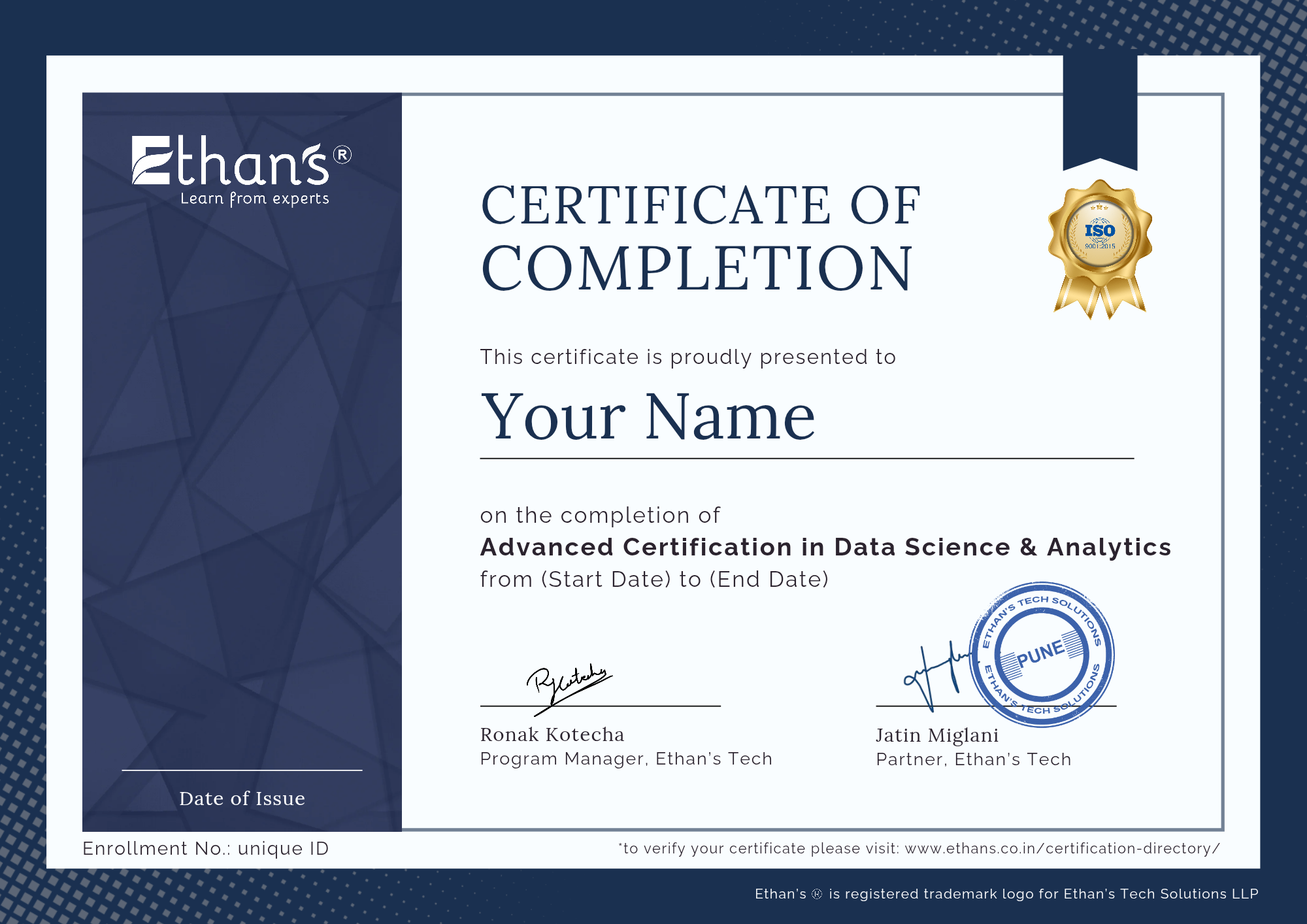
Validated Certification from Ethans Tech
Receive a professional certificate that validates your expertise and is recognized across leading IT companies.
Training Backed by Real-World Expertise
Ethans Tech follows a practical, hands-on training approach aligned with industry needs, boosting your job readiness.
Professional Credential for Career Growth
Showcase your technical skills with a credible certificate that strengthens your portfolio and improves hiring prospects.
Master 12+ In-demand Skills in Full Stack Development
- Web Development Fundamentals (HTML, CSS, JS)
- Authentication & Authorization
- DevOps Basics for Developers
- Frontend Frameworks (React, Angular, or Vue)
- Version Control with Git & GitHub
- Full Stack Project Implementation
- Backend Development (Node.js, Django, or Spring)
- Server, Hosting & Deployment Basics
- Database Integration (MySQL, SQLite)
- RESTful APIs & CRUD Operations
- Responsive Web Design & UI/UX
- Testing & Debugging Techniques
Why to Join this Program
Guest Lectures by IIT professors
Learn directly from top IIT faculty through hands-on, real-time sessions
Ethan’s Tech Career Track
Flexible timelines to complete your course and projects at your own pace
IIT Approved Mentors
Get personalized guidance and career insights from experienced professionals
Advance Curriculum
Master concepts from basic to expert level through structured, applied learning
4.7

4.6

4.5

Next Batch Starts on
31st Dec
Join 1% Elite Cohort
Why Choose Ethan’s Tech?

OTHERS
- Breadth and Depth of Curriculum
- Beginner-Friendly Bootcamp
- GenAI Integration
- Specialised Paths
- Projects Experience
- Alumni & Outcomes
- Hands-On Learning Model
- Mentorship & Faculty Access
- Comprehensive
- Structured Start
- Fully Applied
- Multiple Tracks
- Real-World & Personalized
- Large Network
- Applied & Practical
- Expert-Led
- Limited
- No On-Ramp
- Light Touch
- One Track
- Minimal & Fixed
- Small Base
- Theory-Heavy
- Basic Support
Our Alumni Works Here!

























What our Students Say
Ethan’s Tech played a key role in shaping my Python development skills. The course focused on core concepts with real-world applications. Trainers explained topics clearly and provided support. This training helped me gain confidence and secure my role as Python Developer at Automata Pvt. Ltd.





Sarthak Arsul







Cloud Engineer | Minutus Computing
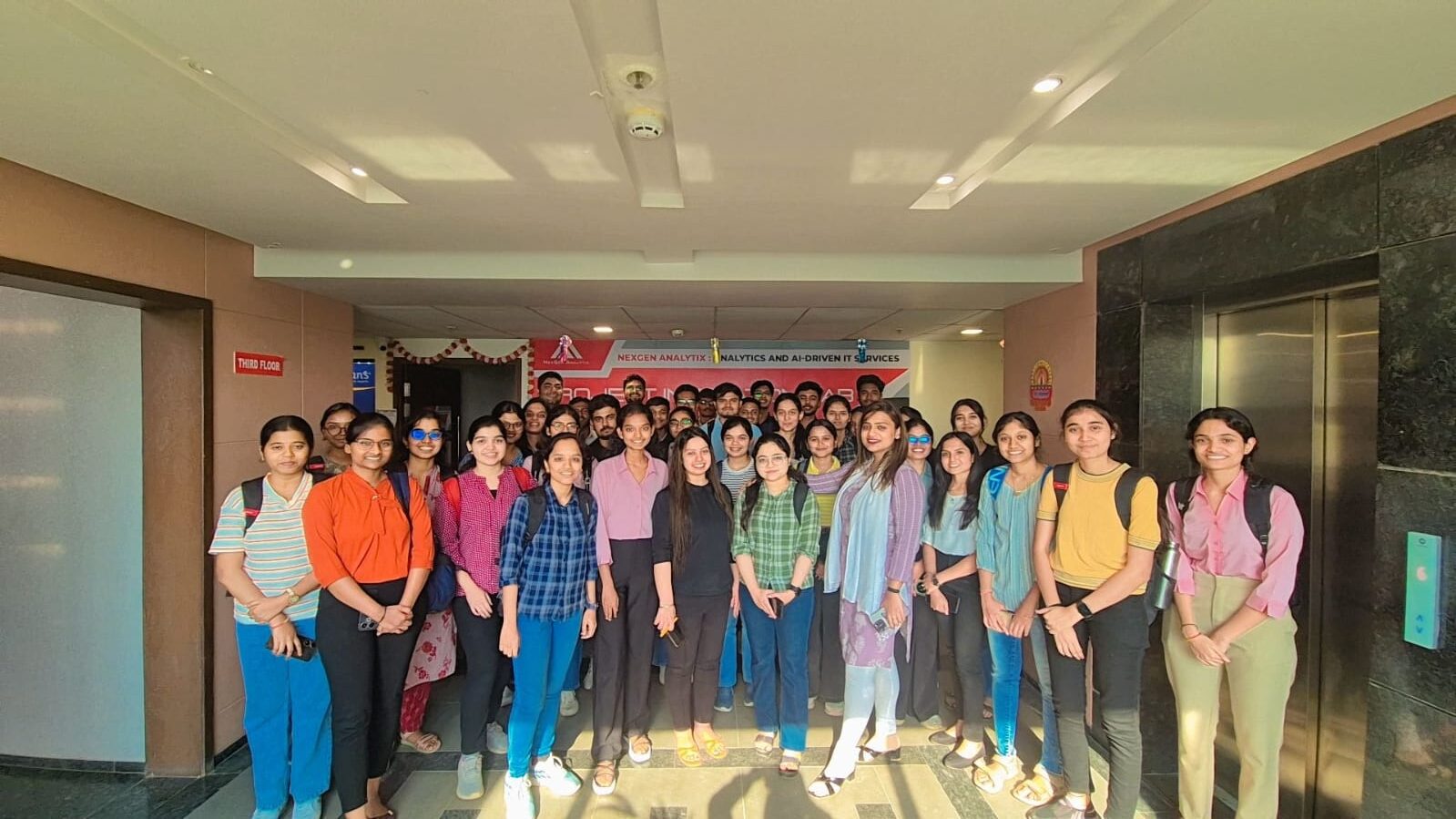
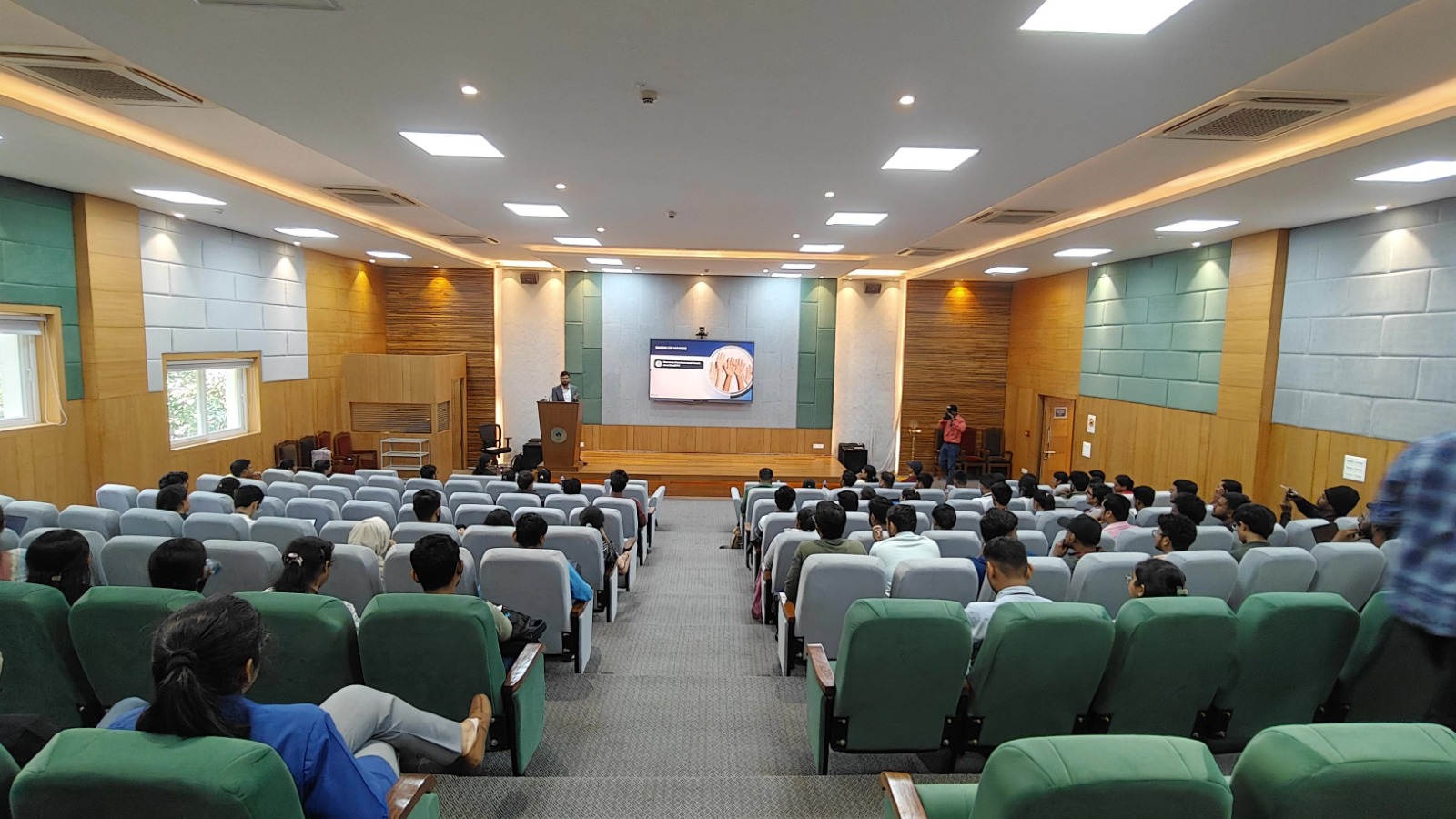
Ethan’s Office Tour
Ethans Tech is a leading professional training institute founded with the mission to bridge the gap between academic learning and real-world skills. With a strong presence in Pune and expanding across India, Ethans Tech has trained thousands of students and working professionals, helping them upgrade their careers in the most in-demand technologies.
The name “Ethans” represents a commitment to “education with excellence”. It’s not just a name; it’s a culture — built by passionate industry experts who believe in practical, hands-on learning rather than rote education. Every trainer at Ethan’s is a seasoned professional with real industry exposure, making the learning experience highly relevant, practical, and impactful.
At Ethans, it’s not just about completing a course — it’s about building a career.
Ethans Tech is a premier professional training institute dedicated to bridging the gap between academic education and real-world industry skills. Headquartered in Pune and expanding across India, Ethans Tech has empowered thousands of students and working professionals to advance their careers in today’s most in-demand technologies. With experienced industry trainers and a strong focus on practical, hands-on learning, the institute ensures highly relevant and career-oriented training that prepares learners to succeed in the professional world.
Get a Free Consultation!
Call us today and get your queries answered by our top experts.
Learners Profile
- 11% – College Graduates (Non-technical backgrounds)
- 23% – B.Tech & M.Tech Graduates (CS, IT, ME, CIVIL)
- 27% – BCA, B.Sc (IT/CS/Maths/Stats) Graduates
- 23% – Early Career Professionals (1–6 years of experience)
- 16% – Career Comeback Learners (with a gap in education or employment)
This blend of learners adds immense value to the learning experience — offering unique perspectives, fresh ideas, and real-world context to every session
Learner Profiles & Trusted Companies
Advanced Certification in Full Stack Development FAQs
Everything you need to know about the program.
What are the prerequisites for full stack development Training in Pune?
Who should go for full stack development training in Pune?
What if I have queries after I complete this course?
Who are the instructors?
Will Ethans be providing any study materials?
What types of courses are available at Ethans?
Does Ethans provide Job Assistance?
Does Ethans provide weekend classes for professionals?
What are the profiles and experiences of trainers at Ethans?
Do I need to pay the complete fee lump sum or I can have an installment facility too?
The fee which I will pay is refundable or transferable?
What are the facilities and infrastructure at Ethans?
Does Ethans provide Online Training?
Does Ethans provide facility to repeat the batch?
Does Ethans provide Institutional Certification after the course?
Does Ethan's conduct training at Corporates?
Yes, we are frequently engaged in corporate training being the market leader with a big pool of corporate trainers having a wide network with collaboration with several top MNC’S that ultimately becomes an add-on for placing our students with such references.