How to Start a Career in Data Science: A Comprehensive Guide with Ethan’s

data science classes in pune

Introduction In the fast-paced world of technology and information, data science has emerged as a key player, driving decisions and innovations across various industries. If you’re intrigued by the idea of extracting valuable insights from data and influencing critical decisions, a career in data science might be the perfect fit for you. In this comprehensive guide, we’ll explore what data science is, the skills required, top companies in the field, salary expectations, education prerequisites, and why choosing a course from Ethan’s Tech could be the catalyst for your success. What is Data Science? At its core, data science involves the extraction of meaningful insights and knowledge from vast sets of data. It encompasses a range of techniques and methods, including statistical analysis, machine learning, and data visualization. The applications of data science are diverse, from predicting market trends to optimizing business operations. What are the Skills Required for Data Science Professionals? Embarking on a career in data science requires technical and soft skills. A. Technical Skills Programming Languages: Proficiency in languages like Python and R Data Manipulation and Analysis Tools: Skills in using tools such as Pandas, NumPy, and others. Machine Learning and Statistical Modeling: Understanding and application of machine learning algorithms and statistical models. B. Soft Skills Critical Thinking and Problem-Solving: Ability to approach complex problems strategically. Effective Communication Skills: Clear communication of findings to both technical and non-technical stakeholders. Collaboration and Teamwork: Working effectively in a team-oriented environment. Technologies Ethan’s Tech Cover in the Data Science Course are mentioned below: Machine learning Artificial intelligence Python Spark & Scala SQL/ No SQL Microsoft Excel Top Companies Hiring for Data Science Professionals The demand for skilled data scientists is soaring, with top-tier companies recognizing the value they bring. Companies like Google, Amazon, and Microsoft are actively seeking data science professionals to gain a competitive edge through data-driven strategies. Exploring opportunities with these industry giants could open doors to exciting and impactful projects. How Much Do Data Science Professionals Earn? The average salary for a Data Scientist is ₹13,90,000 per year in India. The average additional cash compensation for a Data Scientist in India is ₹1,90,000, with a range from ₹1,00,000 – ₹2,47,500.  Source – https://www.glassdoor.co.in/Salaries/data-scientist-salary-SRCH_KO0,14.htm What is the minimum Educational Qualification for a Data Science Course? While a solid educational background in mathematics, statistics, or computer science is often associated with data science, the field is increasingly welcoming individuals from diverse backgrounds. If you’re considering a career transition, upgrading your skills, or moving into the IT sector, data science could be the game-changer you’re seeking. Traditional Paths Many data scientists hold advanced degrees, such as master’s or Ph.D., particularly in fields related to data science. These degrees provide a strong foundation in the theoretical aspects of the discipline. Non-Traditional Paths However, the dynamic nature of data science allows for non-traditional paths as well. Individuals with a bachelor’s degree in fields like engineering, business, or even IT can successfully pivot into data science by acquiring the necessary skills through targeted courses and hands-on experience. Upgrading IT Skills For IT enthusiasts looking to upgrade their knowledge, a data science course is an excellent choice. The skills acquired in data science, including programming languages, machine learning, and data analysis, complement and enhance existing IT expertise, opening doors to exciting opportunities in the data-driven world. Career Switchers If you’re contemplating a career switch and intrigued by the world of data, a data science course can serve as a bridge. Many professionals from diverse sectors find the interdisciplinary nature of data science appealing, allowing them to bring their unique perspectives to the field. Why Data Science Courses for Career Advancement? Whether you hold a traditional degree or are considering a non-traditional path, opting for a data science course, especially from institutions like Ethan’s Tech, provides a structured and effective way to acquire the necessary skills. The curriculum is designed to cater to individuals from various educational backgrounds, ensuring a smooth transition into the world of data science. Check out the Data Science Course Curriculum In summary, the doors to data science are open to individuals with a variety of educational backgrounds and career experiences. Whether you’re a recent graduate, an IT professional, or someone looking to make a career switch, the evolving field of data science has a place for you. Why Opt for a Data Science Course from Ethan’s Tech Learning from Industry Experts: Receive instruction from seasoned professionals in the field, providing valuable insights and practical knowledge. Comprehensive Technology Coverage: Cover a wide array of technologies relevant to data science, ensuring you stay updated with industry trends. Live Project Experience: Gain hands-on experience through live projects, applying theoretical knowledge to real-world scenarios. Placement Assistance: Benefit from dedicated placement support to enhance your career prospects post-completion. Interview Preparation Support: Access resources and guidance to excel in interviews and make a seamless transition into the professional sphere. Community and Supportive Learning Environment: Join a community of like-minded individuals passionate about data science, fostering a supportive learning environment. Proven Success Stories: Explore success stories of previous students who have secured positions in leading companies and made significant contributions to impactful projects. In choosing Ethan’s Tech, you are opting for a comprehensive data science course that goes beyond theoretical concepts, providing practical skills and real-world applications. Join a community where your passion for data science is nurtured, and success is not just a goal but a common achievement. Conclusion In conclusion, a career in data science offers a thrilling journey into data-driven decision-making. Whether you’re just starting or looking to upskill, the demand for data science professionals continues to grow. You can carve out a successful and rewarding career in this dynamic field with the right skills, knowledge, and guidance from an institute like Ethan’s Tech. Ready to embark on your data science journey? Explore the courses offered by Ethan’s Tech and take the first step towards a fulfilling career. Visit website.ethans.co.in/ to learn more about our data science programs.
Boost Your Data Science Learning

data science classes in pune

Are you intrigued by the world of data science? Do you find yourself drawn to the power of data analysis and its potential to uncover hidden insights? Whether you’re a beginner or someone with some experience, enhancing your data science course skills is always a great idea. In this article, we’ll dive into five valuable tips that can help boost your data science learning journey. So, let’s get started! Embrace Hands-on Projects The best way to solidify your data science skills is through practical application. Theory is important, but hands-on experience takes your learning to the next level. Engage in real-world projects that challenge you to manipulate and analyze data. Platforms like Kaggle offer a plethora of datasets and competitions that allow you to apply various data science techniques in a competitive environment. Master the Fundamentals Before diving into complex algorithms and techniques, ensure you have a strong grasp of the fundamental concepts. Understand statistical analysis, data preprocessing, and data visualization. A solid foundation will make it easier for you to comprehend advanced topics and troubleshoot issues effectively. Join Data Science Communities Learning doesn’t have to be a solitary journey. Join online communities and forums dedicated to data science courses in Pune at Ethans Tech. Engage in discussions, seek help when you’re stuck, and share your knowledge with others. Platforms like Stack Overflow and Reddit have active data science communities where you can connect with like-minded individuals. Personal Projects for Practical Learning Apart from formal courses, working on personal projects can be immensely beneficial. Choose a project that aligns with your interests and challenges you to explore new techniques. Whether it’s analyzing social media trends or predicting stock prices, personal projects give you the freedom to experiment and learn at your own pace. Stay Curious and Persistent Data science is a rapidly evolving field. To stay ahead, cultivate a curious mindset. Keep experimenting with new tools, techniques, and datasets. Don’t be afraid to make mistakes – they’re valuable learning opportunities. Persistence is key; you might face challenges, but overcoming them will only make you a better data scientist. Learn More – Data Science is a Good Career? Conclusion Embarking on a journey to enhance your data science skills is a commendable endeavor. By embracing hands-on projects, mastering the fundamentals, leveraging online resources, engaging in communities, and staying curious, you’re setting yourself up for success in the world of data science.

Is Data Science a Good Career?

data science course in pune

In the rapidly evolving digital age, data has become the lifeblood of businesses and industries. With vast amounts of information generated every day, the need to analyze and interpret this data has given rise to the field of data science. This article explores the question, “Is data science a good career?” by delving into the various aspects of this promising profession. Data science is an interdisciplinary field that combines domain knowledge, programming, statistics, and machine learning to extract valuable insights and knowledge from structured and unstructured data. It involves collecting, cleaning, and organizing data to identify patterns, trends, and correlations that can drive informed decision-making. Why is Data Science in High Demand? In today’s data-driven world, businesses are leveraging data science to gain a competitive edge. The ability to analyze customer behavior, predict market trends, and optimize processes has made data scientists indispensable to organizations across industries. As companies embrace digital transformation, the demand for skilled data scientists continues to surge. Growing Job Market for Data Scientists The job market for data scientists is experiencing exponential growth. Companies are actively seeking professionals who can harness data to drive innovation and business success. Data science roles range from data analysts and data engineers to machine learning specialists and AI researchers. Essential Skills for Data Science Career A successful data science career requires a diverse skill set. Proficiency in programming languages like Python, R, or SQL is essential for data manipulation and analysis. Additionally, data scientists must possess strong statistical knowledge, data visualization skills, and the ability to work with big data technologies. Education and Training for Data Science While there is no one-size-fits-all path to becoming a data scientist, a solid educational foundation is crucial. Many data scientists hold advanced degrees in fields such as computer science, statistics, mathematics, or engineering. However, online courses, bootcamps, and self-study resources have made data science more accessible to aspiring professionals from diverse backgrounds. Industries Benefiting from Data Science Data science has permeated various industries, transforming the way they operate. From healthcare and finance to marketing and transportation, organizations are leveraging data to make data-driven decisions and enhance their products and services. Advantages of Pursuing a Career in Data Science There are several compelling advantages to choosing a career in data science. The field offers exciting challenges, continuous learning opportunities, and the chance to work on cutting-edge technologies. Data scientists often play a crucial role in shaping the future of businesses and industries. Challenges in Data Science Career Despite its many advantages, a data science career also presents challenges. Dealing with large datasets can be complex and time-consuming. Additionally, staying updated with ever-evolving technologies and methodologies requires dedication and adaptability. Salaries and Compensation for Data Scientists Data science professionals are well-compensated for their expertise. Salaries can vary based on experience, location, and industry, but data scientists often earn competitive pay and enjoy various benefits. Career Growth and Opportunities The growth potential for data scientists is promising. As data becomes increasingly valuable, organizations will continue to invest in data science talent. Data scientists can progress to senior roles, team leadership, or specialize in specific domains like natural language processing or computer vision. Job Satisfaction in Data Science Data science offers a high level of job satisfaction for those who are passionate about problem-solving and making a significant impact. The ability to turn raw data into actionable insights provides a sense of accomplishment and purpose. How to Start a Career in Data Science? Aspiring data scientists can kickstart their careers by acquiring relevant skills through education, certifications, and practical projects. Networking and participating in data science communities can also open doors to job opportunities. Read Full Blog – What to Expect from a Data Science Course in Pune: Curriculum Breakdown Data Science vs. Other Tech Careers Data science shares similarities with other tech careers like software engineering or data engineering. Understanding the differences and choosing the right career path depends on an individual’s interests and strengths. Conclusion In conclusion, data science is undeniably a good career choice in today’s data-centric world. With its ever-expanding applications and demand in various industries, data science offers a bright and rewarding future for those with a passion for data-driven insights and problem-solving.

How Data Science is Changing the World

data science course for beginners

In the digital age, data has become the lifeblood of numerous industries. The rise of data science, a multidisciplinary field that combines statistical analysis, machine learning, and domain expertise, has revolutionized the way businesses and governments operate. Data science is transforming the world in unprecedented ways, providing valuable insights, driving decision-making processes, and revolutionizing various sectors. In this article, we will explore the profound impact of data science on different industries, its role in shaping government policies, ethical considerations, challenges, and the exciting possibilities that lie ahead. Impact of Data Science on Industries Healthcare Data science has ushered in a new era of personalized medicine. By analyzing vast datasets, including patient records, genetics, and medical research, data scientists can identify patterns and develop predictive models for disease diagnosis and treatment. This has led to faster and more accurate diagnoses, resulting in improved patient outcomes. Additionally, data science is transforming drug discovery and development, making it more efficient and cost-effective. Finance In the financial sector, data science has transformed risk assessment and fraud detection. Advanced algorithms analyze transaction data in real-time, enabling financial institutions to identify suspicious activities and prevent fraudulent transactions. Data-driven insights also help investors make informed decisions, optimize portfolios, and predict market trends. Marketing and Advertising Data science has revolutionized marketing and advertising by enabling targeted campaigns. Through analyzing consumer behavior and preferences, businesses can create personalized ads that resonate with their target audience. This has led to higher conversion rates, increased customer satisfaction, and more effective marketing strategies. Data Science in Government and Public Policy Crime Prediction and Prevention Law enforcement agencies are leveraging data science to predict crime hotspots and deploy resources more effectively. By analyzing historical crime data and socio-economic factors, predictive models can identify areas at higher risk of criminal activity, leading to proactive crime prevention strategies. Urban Planning Data science plays a crucial role in urban planning by analyzing population demographics, traffic patterns, and environmental data. This helps city planners design efficient infrastructure and make data-driven decisions to create sustainable and livable urban spaces. Disaster Management During natural disasters, data science helps government agencies coordinate relief efforts. By analyzing real-time data such as weather patterns, social media feeds, and satellite imagery, authorities can quickly assess the situation, allocate resources, and respond effectively. Data-Driven Decision Making Personalized Customer Experience Businesses leverage data science to deliver personalized customer experiences. By analyzing customer behavior and preferences, companies can recommend products and services tailored to individual needs, enhancing customer satisfaction and loyalty. Supply Chain Optimization Data science optimizes supply chain operations by analyzing data from various touchpoints, such as supplier performance, inventory levels, and transportation data. This enables companies to streamline processes, reduce costs, and improve overall efficiency. Predictive Maintenance Data science has revolutionized equipment maintenance by enabling predictive maintenance. By analyzing sensor data and equipment performance, businesses can detect potential failures before they occur, reducing downtime and maintenance costs. Ethical Considerations in Data Science Privacy Concerns As data collection and analysis become more prevalent, there are growing concerns about data privacy. Data scientists must implement robust security measures to protect sensitive information and ensure compliance with data protection regulations. Bias and Fairness Data bias can lead to unfair and discriminatory outcomes. Data scientists must actively identify and address bias in their models to ensure fair and equitable results. Transparency and Accountability Data science models should be transparent, allowing stakeholders to understand how decisions are made. Ensuring accountability is crucial, especially when data-driven decisions impact individuals or communities. Challenges and Opportunities for Data Science Data Security With the increasing volume of data, ensuring data security becomes paramount. Data breaches can have severe consequences, necessitating robust cybersecurity measures. Skill Gap The demand for data scientists surpasses the supply of skilled professionals. Bridging this skill gap is essential for organizations to fully leverage the potential of data science. Data Visualization and Storytelling Communicating complex data insights effectively remains a challenge. Data visualization and storytelling techniques are vital for conveying information to non-technical stakeholders. Read Full Blog – Career Opportunities After Completing a Data Science Course in Pune Future of Data Science The future of data science is filled with exciting possibilities. As technology advances, data science will continue to drive innovation across industries. Breakthroughs in artificial intelligence and machine learning will unlock new insights and applications, further transforming the world. Data science has emerged as a game-changer, revolutionizing industries, governments, and decision-making processes. Its potential to unlock valuable insights and drive innovation is unparalleled. However, with this power comes responsibility. Ethical considerations and data security must remain at the forefront of data science practices to ensure a positive and equitable impact on society.

How Data Science is Used in Banking

Data Science is Used in Banking

The financial industry is undergoing a digital revolution, and data science is playing a pivotal role in transforming how banks operate. Data science, a multidisciplinary field that combines statistics, mathematics, and computer science, is empowering banks to make data-driven decisions, enhance customer experience, and stay ahead in the competitive landscape. In this article, we will explore how data science is revolutionizing the banking sector and driving innovation in various aspects of financial services. Role of Data Science in Banking Enhancing Customer Experience In the modern banking era, customer experience is a top priority. Data science enables banks to gather vast amounts of customer data and analyze it to gain valuable insights into customer preferences, behavior, and needs. This analysis helps banks personalize their services, offer targeted recommendations, and provide a seamless banking experience through various channels, including mobile apps and websites. Fraud Detection and Prevention Fraud has always been a significant concern for banks. With the advancement of technology, fraudsters have become more sophisticated in their approaches. Data science comes to the rescue by employing advanced algorithms to detect unusual patterns and identify potential fraudulent activities. Real-time monitoring of transactions and user behavior helps banks prevent unauthorized access and protect their customers’ funds. Risk Management and Credit Scoring Traditional credit scoring models have their limitations, often failing to provide accurate risk assessments. Data science introduces more comprehensive credit scoring models that consider a broader range of variables. By analyzing a customer’s financial history, spending patterns, and social behavior, banks can make more informed lending decisions, reducing the risk of default and ensuring responsible lending practices. Personalized Banking Services Personalization is becoming increasingly crucial in the banking sector. Data science algorithms analyze customer data to create personalized financial products and services tailored to individual needs. This level of personalization fosters customer loyalty and satisfaction, leading to long-lasting relationships between banks and their clients. Data-Driven Decision Making Optimizing Operations In addition to customer-centric applications, data science optimizes banking operations internally. By analyzing internal processes, banks can identify inefficiencies, streamline workflows, and reduce operational costs. Data-driven decision making helps bank management allocate resources more effectively and improve overall efficiency. Tailoring Financial Products Different customers have different financial needs. Data science allows banks to segment their customer base and design specialized financial products and services for each segment. Whether it’s retirement planning, investment opportunities, or mortgage options, data-driven tailoring ensures that customers receive the most suitable offerings. Predictive Analytics for Financial Forecasting Loan Approval and Underwriting Traditionally, the loan approval process has been time-consuming and paper-based. Data science revolutionizes this process by automating credit risk assessment and underwriting. Predictive analytics models evaluate a borrower’s creditworthiness and determine the likelihood of repayment, expediting loan approvals and reducing the chances of bad loans. Investment Strategies Data science equips banks with sophisticated tools to analyze market trends, assess investment risks, and identify potential opportunities. By leveraging predictive analytics, banks can develop robust investment strategies that align with their clients’ financial goals and risk profiles. Data Privacy and Security in Banking Safeguarding Customer Information With the increasing reliance on digital channels, data privacy has become a paramount concern. Banks must protect sensitive customer information from data breaches and cyber threats. Data science helps banks implement robust security measures and encryption protocols to safeguard customer data effectively. Compliance and Regulatory Requirements Banks operate under strict regulatory frameworks. Data science ensures compliance by automating the process of monitoring and reporting on transactions, minimizing the risk of non-compliance penalties. Challenges and Limitations of Data Science in Banking Data Quality and Integration Data science heavily relies on the quality and integration of data from various sources. Banks face challenges in cleaning and integrating diverse datasets, which can impact the accuracy of analytical models. Skill Gap and Training Implementing data science in banking requires a skilled workforce. However, there is a shortage of data scientists with expertise in both finance and technology. Banks need to invest in training programs to bridge this skill gap. Ethical Concerns As data collection becomes more extensive, banks must address ethical concerns related to customer privacy. Striking a balance between utilizing data for personalized services and respecting customer privacy is a challenge. Future Trends in Data Science for Banking Blockchain and Cryptocurrencies Blockchain technology holds the potential to revolutionize banking operations, enabling secure and transparent transactions. Moreover, cryptocurrencies may play a significant role in cross-border payments and financial inclusion. Augmented Analytics Augmented analytics, which combines artificial intelligence and machine learning, will enhance data interpretation and decision making. Banks will increasingly rely on augmented analytics to gain deeper insights into their operations and customers. Conclusion Data science is transforming the banking sector, empowering banks to provide personalized, efficient, and secure financial services. From enhancing customer experiences to optimizing operations, data science is shaping the future of banking. However, addressing challenges such as data quality, skill gaps, and ethical concerns is crucial to realizing its full potential.

Role of Data Science in Marketing Strategy

Data-Science

Data science has emerged as a powerful tool in today’s digital era, revolutionizing various industries, including marketing. With the advent of big data and advanced analytics techniques, marketers can now make data-driven decisions and develop effective strategies to reach their target audience. In this article, we will explore the significant role that data science plays in shaping marketing strategies. From customer segmentation to personalized marketing campaigns, data science has transformed the way businesses connect with their customers. In today’s competitive landscape, businesses need to gain a deep understanding of their customers to stay ahead. Data science enables marketers to uncover valuable insights from large volumes of data, empowering them to make informed decisions and develop effective marketing strategies. By utilizing advanced techniques and technologies, marketers can harness the power of data to optimize campaigns, enhance customer experience, and drive business growth. Understanding Data Science Data science is an interdisciplinary field that combines statistical analysis, machine learning, and data visualization to extract meaningful insights from data. It involves the collection, processing, and analysis of large datasets to identify patterns, trends, and correlations. Data scientists utilize various tools and algorithms to uncover hidden insights that can be leveraged to drive business strategies. Importance of Data Science in Marketing Strategy Data science has become increasingly vital in shaping marketing strategies due to the abundance of data available from multiple sources such as customer interactions, social media, website analytics, and transaction records. By leveraging data science techniques, marketers can gain valuable insights into customer behavior, preferences, and purchasing patterns. This knowledge helps in tailoring marketing efforts and delivering personalized experiences to customers. Customer Segmentation for Targeted Marketing One of the key contributions of data science to marketing strategy is customer segmentation. By analyzing demographic, psychographic, and behavioral data, businesses can divide their customer base into distinct groups. This segmentation allows marketers to understand the specific needs and preferences of different customer segments. With this knowledge, they can create targeted marketing campaigns that resonate with each segment, increasing the effectiveness of their efforts. Predictive Analytics for Customer Behavior Analysis Data science enables marketers to predict customer behavior using predictive analytics techniques. By analyzing historical data, marketers can identify patterns and trends that help in understanding customer preferences and predicting future actions. This predictive insight allows businesses to proactively target customers with personalized offers, recommendations, and advertisements, improving the overall customer experience. Personalized Marketing Campaigns Personalization is a key aspect of modern marketing strategies, and data science plays a vital role in achieving this. By leveraging customer data, such as browsing history, purchase patterns, and demographic information, marketers can create highly personalized campaigns. Personalization not only improves customer engagement but also increases conversion rates and customer loyalty. Improving Customer Experience with Data Science Data science helps businesses enhance the overall customer experience by identifying pain points and areas of improvement. Through data analysis, marketers can gain insights into customer preferences, satisfaction levels, and sentiment analysis. This information allows businesses to optimize their products, services, and customer support to meet customer expectations effectively. Real-time Data Analysis for Agile Marketing In today’s fast-paced digital landscape, real-time data analysis is crucial for agile marketing. Data science enables marketers to monitor and analyze real-time data from various sources, such as social media and website analytics. By continuously tracking customer interactions and campaign performance, businesses can make data-driven decisions on the fly, optimizing marketing efforts and maximizing ROI. Measuring Marketing Effectiveness Data science provides marketers with the tools to measure the effectiveness of their marketing campaigns accurately. Through advanced analytics and attribution modeling, marketers can determine the impact of different marketing channels, campaigns, and touchpoints on customer conversions. This insight helps in allocating resources effectively and optimizing marketing spend. Leveraging Social Media Data Social media platforms generate vast amounts of data, including customer sentiments, preferences, and interactions. Data science allows marketers to extract valuable insights from social media data and leverage them to inform marketing strategies. By analyzing social media trends and sentiment analysis, businesses can identify opportunities, engage with customers, and address their concerns promptly. Ethical Considerations in Data-driven Marketing While data science offers immense opportunities for marketers, it also raises ethical considerations. Businesses must ensure the responsible use of customer data, respecting privacy regulations and addressing concerns about data security. Transparency and consent should be prioritized to maintain trust with customers. Future of Data Science in Marketing As technology continues to evolve, data science will play an even more significant role in marketing strategies. Advancements in artificial intelligence, machine learning, and natural language processing will enable marketers to gain deeper insights and deliver hyper-personalized experiences to customers. The integration of data science with emerging technologies will drive innovation in marketing and revolutionize customer engagement. Conclusion Data science has transformed marketing strategy by enabling businesses to harness the power of data for informed decision-making. From customer segmentation to personalized campaigns and real-time data analysis, data science empowers marketers to optimize their efforts and enhance customer experiences. As data science continues to evolve, marketers must embrace its potential and leverage it to stay competitive in the dynamic digital landscape.

Elevate Your Data Science Skills with Statistics

data science

In the ever-evolving field of data science, mastering statistical techniques is crucial for professionals to extract meaningful insights from complex datasets. Statistical techniques form the foundation of data analysis and enable data scientists to make informed decisions and predictions. This article explores ten essential statistical techniques that data scientists need to master to excel in their field. Essential Statistical Techniques for Data Scientists Data science is an interdisciplinary field that combines statistical analysis, machine learning, and domain expertise to uncover patterns, draw insights, and make data-driven decisions. Statistical techniques are fundamental tools that enable data scientists to understand and interpret data effectively. Descriptive Statistics Descriptive statistics involves summarizing and describing the main features of a dataset. It includes measures such as mean, median, mode, variance, and standard deviation. Descriptive statistics provide an overview of the data and help identify patterns and trends. Inferential Statistics Inferential statistics allows data scientists to draw conclusions or make predictions about a population based on a sample. It involves hypothesis testing, confidence intervals, and estimation techniques. Inferential statistics is used to make generalizations from a limited set of data. Hypothesis Testing Hypothesis testing is a statistical technique used to make decisions about the relationship between variables in a dataset. It involves formulating null and alternative hypotheses, selecting an appropriate statistical test, and analyzing the data to either accept or reject the null hypothesis. Regression Analysis Regression analysis is a powerful statistical technique used to model and analyze the relationship between dependent and independent variables. It helps data scientists understand how changes in one variable affect another and make predictions based on the observed patterns. Time Series Analysis Time series analysis is used to analyze data that is collected over a period of time at regular intervals. It involves identifying trends, seasonal patterns, and forecasting future values. Time series analysis is valuable for analyzing stock prices, weather data, and economic indicators. Classification Techniques Classification techniques are used to categorize data into different classes or groups based on the characteristics and attributes of the dataset. It includes algorithms such as decision trees, logistic regression, and support vector machines. Classification is widely used in image recognition, spam filtering, and sentiment analysis. Clustering Methods Clustering methods group similar data points together based on their similarities and differences. It helps in identifying hidden patterns, segmenting customer data, and detecting anomalies. Popular clustering algorithms include k-means clustering, hierarchical clustering, and DBSCAN. Experimental Design Experimental design is a statistical technique used to plan and conduct experiments to investigate the relationship between variables. It helps data scientists control and manipulate variables to observe their impact on the outcome of interest. The proper experimental design ensures valid and reliable results. Data Visualization Data visualization is the process of representing data in visual formats such as charts, graphs, and maps. It aids data scientists in communicating complex information effectively and identifying patterns and outliers. Visualization tools like matplotlib, Tableau, and D3.js are commonly used in data analysis. Conclusion Mastering these ten statistical techniques is crucial for data scientists to excel in their field. The ability to analyze data, draw insights, and make accurate predictions is paramount in today’s data-driven world. By honing their statistical skills, data scientists can unlock the full potential of the vast amount of data available to them.

10 Myths about Data Science – What You Need to Know

10 Myths About Data Science

Data science has become a widely discussed and sought-after field in recent years. With its ability to extract insights and drive decision-making, data science has transformed industries across the globe. However, along with its popularity, several myths and misconceptions have emerged. In this article, we will debunk ten common myths about data science, shedding light on the reality behind this dynamic discipline. Top 10 Myths Of Data Science Myth 1: Data Science is Only for Experts Contrary to popular belief, data science is not exclusively reserved for experts or individuals with advanced technical backgrounds. While proficiency in mathematics, statistics, and programming can be beneficial, anyone with a curious mind and a willingness to learn can embark on a data science journey. Numerous online resources, courses, and tutorials cater to beginners, enabling them to acquire the necessary skills and start applying data science principles in their respective domains. Myth 2: Data Science is All About Coding Although coding plays a significant role in data science, it is not the sole focus of the field. Data science encompasses a broader spectrum of activities, including data collection, cleaning, visualization, and analysis. While coding skills are undoubtedly valuable, a data scientist’s toolkit involves a combination of technical expertise, analytical thinking, and domain knowledge to derive meaningful insights from data. Myth 3: Data Science is a Predictive Crystal Ball While data science can uncover patterns and trends, it is not a crystal ball that predicts the future with absolute certainty. Predictive models and algorithms are designed to estimate outcomes based on historical data, but they are subject to limitations. Factors such as unforeseen events, changing market conditions, or incomplete data can influence the accuracy of predictions. Data science should be seen as a tool that aids decision-making rather than a source of infallible prophecies. Myth 4: Data Science Can Solve Any Problem Data science is a powerful discipline, but it does not possess a universal solution for all problems. Each problem domain requires careful consideration and domain-specific knowledge to formulate appropriate models and algorithms. Data scientists collaborate with subject matter experts to identify relevant variables, define problem statements, and develop tailored approaches. Understanding the context and nuances of a problem is crucial for effective problem-solving using data science techniques. Myth 5: Data Science is Just Statistics While statistics forms the foundation of data science, the field encompasses much more than statistical analysis. Data scientists utilize a wide range of techniques and methodologies, including machine learning, deep learning, natural language processing, and data visualization. These tools enable them to extract insights, make predictions, and discover patterns that extend beyond traditional statistical methods. Myth 6: Data Science Eliminates the Need for Domain Knowledge Data science is not a substitute for domain knowledge; instead, it complements it. Having a deep understanding of the subject matter is vital to ask the right questions, interpret results, and make informed decisions. Data scientists work closely with domain experts to incorporate their insights and expertise into the analysis process, ensuring that the outcomes align with the specific requirements and objectives of the domain. Myth 7: Data Science is a One-Person Job While data scientists often possess a diverse skill set, data science projects typically involve multidisciplinary teams. Collaboration among professionals with varied expertise, such as data engineers, data analysts, and domain specialists, enhances the overall quality of data science initiatives. Each team member contributes their unique perspective, fostering a holistic approach to problem-solving and enabling the extraction of valuable insights from complex datasets. Myth 8: Data Science is Time-Consuming and Expensive While data science projects may require time and resources, advancements in technology and the availability of open-source tools have made the process more accessible and cost-effective. Cloud computing platforms provide scalable infrastructure, reducing the need for extensive hardware investments. Additionally, the open-source community has developed numerous libraries and frameworks that streamline data science workflows, facilitating efficient analysis and reducing project timelines. Read Full Blog – What to Expect from a Data Science Course  Myth 9: Data Science is Only for Big Companies Data science is not limited to large corporations with substantial resources. Organizations of all sizes and industries can leverage the power of data science to gain insights, optimize operations, and improve decision-making. Small businesses can start by focusing on specific use cases or outsourcing data science tasks to specialized service providers. By harnessing the potential of data science, companies can unlock new opportunities and drive growth regardless of their scale. Myth 10: Data Science Results are Always Accurate Data science models are built upon assumptions, and the quality of results depends on various factors such as data quality, model selection, and algorithmic implementation. While data-driven insights provide valuable guidance, they should be considered alongside other factors and expert judgment. Data science is an iterative process that involves continuous monitoring, validation, and refinement of models to ensure their accuracy and relevance. Conclusion As data science continues to shape our world, it is essential to dispel common myths and misconceptions surrounding the field. Data science is a multidimensional discipline that combines technical expertise, domain knowledge, and analytical thinking to unlock valuable insights from data. By understanding the realities behind these myths, individuals and organizations can harness the power of data science more effectively and make informed decisions.

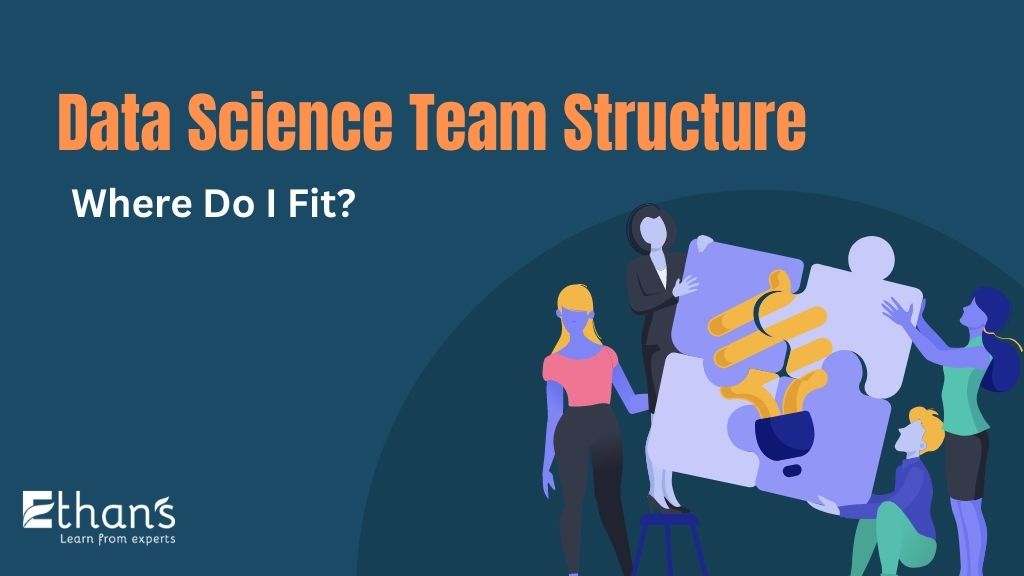
Data Science Team Structure – Where Do I Fit?

data science team

Data science has emerged as a pivotal field in today’s technology-driven world. With its ability to extract valuable insights from large volumes of data, organizations across industries are investing in data science teams. However, understanding the structure and roles within a data science team can be perplexing for individuals interested in pursuing a career in this field. In this article, we will explore the different components of a data science team and provide clarity on where you might fit in. In today’s data-driven world, organizations are increasingly relying on data science to make informed decisions and gain a competitive edge. A data science team brings together individuals with diverse skill sets to tackle complex problems using data-driven approaches. Let’s explore the different roles within a data science team and find out where you might fit in. Role of Data Scientists Data scientists are the heart and soul of a data science team. They possess strong analytical skills and are proficient in programming languages such as Python or R. Data scientists use statistical techniques and machine learning algorithms to extract insights from raw data. Their expertise lies in identifying trends, patterns, and correlations that can drive business decisions. As a data scientist, you will work closely with stakeholders to understand their requirements and develop models that address their specific needs. Data Engineers and Their Contributions Data engineers play a crucial role in the data science ecosystem. They are responsible for building and maintaining the infrastructure required to store and process large volumes of data. Data engineers design and implement data pipelines, ensuring that data is ingested, transformed, and made available for analysis. They work closely with data scientists, providing them with clean and reliable data to work with. If you enjoy working with data infrastructure and have a knack for optimizing data workflows, a role as a data engineer might be a good fit for you. Machine Learning Engineers: Bridging the Gap Machine learning engineers act as a bridge between data scientists and software engineers. They specialize in deploying machine learning models into production systems. Machine learning engineers are responsible for integrating models into applications, ensuring scalability, reliability, and performance. If you have a strong background in software engineering and a passion for bringing data science models to life, a career as a machine learning engineer could be a great fit. Importance of Domain Experts Domain experts bring domain-specific knowledge and subject matter expertise to the data science team. They understand the intricacies of the industry and provide valuable insights into the data analysis process. Domain experts collaborate closely with data scientists to identify relevant variables, interpret results, and validate findings. If you have expertise in a specific domain, such as finance, healthcare, or marketing, your knowledge combined with data science skills can be highly valuable in driving meaningful outcomes. Data Analysts: Uncovering Patterns Data analysts focus on exploratory data analysis and uncovering meaningful patterns within the data. They use statistical methods and visualization techniques to derive insights and communicate them effectively to stakeholders. Data analysts often work in tandem with data scientists, supporting their analysis and providing additional context to the findings. If you have a keen eye for detail and enjoy uncovering insights from data, a role as a data analyst might be a good fit for you. Project Managers and Team Leads Project managers and team leads play a vital role in ensuring the smooth functioning of a data science team. They are responsible for overseeing projects, setting goals, and coordinating resources. Project managers facilitate collaboration between team members, manage timelines, and communicate progress to stakeholders. If you possess strong organizational and leadership skills, combined with a deep understanding of data science, a role as a project manager or team lead could be a natural fit. Collaborative Environment: Data Science Team A data science team operates in a collaborative environment where individuals with different skill sets come together to solve complex problems. This environment fosters cross-functional learning, allowing team members to gain insights from each other’s expertise. Collaboration and teamwork are critical in data science teams, as they enable the sharing of knowledge, best practices, and diverse perspectives. As a team member, you will have the opportunity to learn from your colleagues and contribute your unique skills to the team’s success. Teamwork and Communication Effective teamwork and communication are paramount in a data science team. Regular meetings, brainstorming sessions, and knowledge-sharing forums help foster a sense of camaraderie and ensure everyone is aligned toward the team’s goals. Transparent communication and active collaboration enable team members to learn from each other, provide feedback, and collectively solve challenges. By actively participating in team discussions and leveraging your communication skills, you can contribute to a harmonious and productive work environment. Agile Approach Data science teams often adopt agile methodologies to manage projects efficiently. Agile principles prioritize iterative development, continuous improvement, and flexibility in responding to changing requirements. By embracing an agile approach, data science teams can adapt to evolving business needs, deliver value incrementally, and maintain a steady pace of innovation. Familiarize yourself with agile practices and methodologies to enhance your effectiveness as a data science team member. Ensuring Data Quality and Governance Data quality and governance are crucial aspects of any data science project. It is essential to ensure that the data used for analysis is accurate, complete, and reliable. Data scientists, along with data engineers, play a pivotal role in implementing data quality checks, data cleansing, and data validation processes. By upholding high data quality standards and adhering to data governance protocols, data science teams can build trust in their findings and drive confident decision-making. Data Science Team Structures The structure of a data science team may vary depending on the organization’s size, industry, and goals. In some cases, small teams might have individuals wearing multiple hats, handling both data analysis and model deployment. In larger organizations, teams might be structured hierarchically, with clear role divisions and specialization. It is crucial to understand the team structure and dynamics … Read more

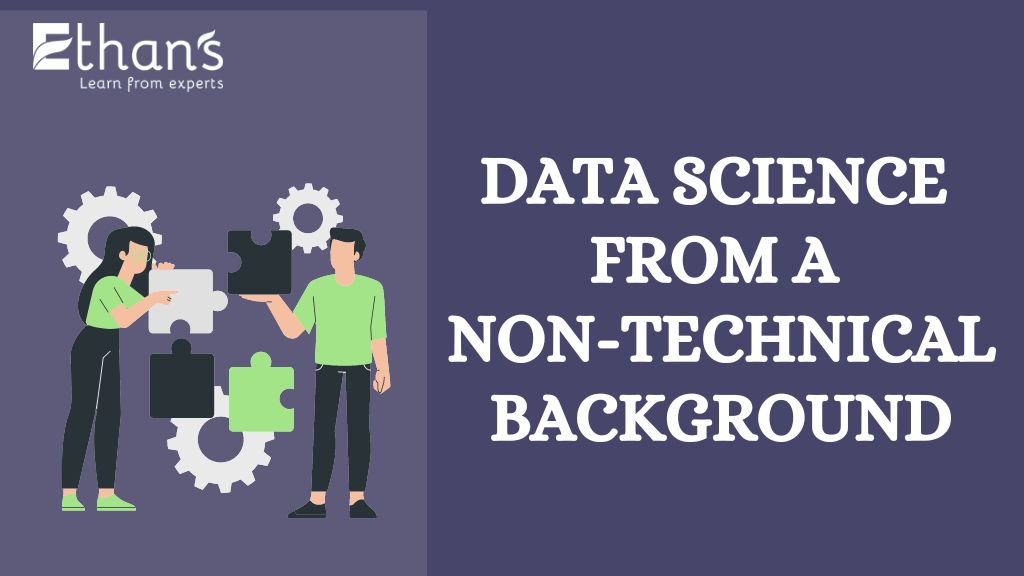
How to Get Into Data Science From a Non-Technical Background?

Data Science

Are you fascinated by the field of data science but come from a non-technical background? Don’t worry, because entering the world of data science is not limited to those with a computer science or mathematics degree. With the right approach and a bit of determination, you can successfully transition into a career in data science, even without a technical background. In this article, we will explore the steps you can take to get into data science from a non-technical background. Introduction to Data Science Data science is an interdisciplinary field that combines techniques and methods from various domains such as mathematics, statistics, computer science, and domain expertise to extract valuable insights and knowledge from data. It involves collecting, analyzing, interpreting, and visualizing data to drive informed decision-making. Before diving into data science, it’s crucial to understand the field and its applications. Familiarize yourself with the different roles within data science, such as data analyst, data engineer, and machine learning engineer. Research various industries where data science is in high demand, such as healthcare, finance, e-commerce, and marketing. Acquire Fundamental Knowledge Start by building a strong foundation in the fundamentals of data science. This includes understanding basic statistical concepts, data structures, algorithms, and data manipulation techniques. Online platforms and resources like Coursera, edX, and Khan Academy offer courses and tutorials that can help you grasp these foundational concepts. Learn Programming Languages Proficiency in programming languages is essential for data science. Python and R are two popular programming languages widely used in the field. Learn the syntax, libraries, and frameworks associated with these languages. Practice writing code and implementing data manipulation, analysis, and visualization tasks. Master Statistics and Mathematics A solid understanding of statistics and mathematics is crucial for data science. Concepts such as probability, hypothesis testing, regression analysis, and linear algebra form the backbone of data science algorithms. Invest time in studying these topics and their applications in data analysis. Gain Hands-On Experience Theory alone is not enough in data science. Gain hands-on experience by working on real-world projects. Participate in Kaggle competitions, where you can apply your knowledge and learn from the data science community. Look for opportunities to collaborate with others on data-driven projects. Enroll in Data Science Courses or Bootcamps Consider enrolling in data science courses or bootcamps specifically designed for individuals with non-technical backgrounds. These programs provide a structured curriculum that covers essential data science concepts and techniques. They often include hands-on projects and mentorship to accelerate your learning. Build a Strong Portfolio Create a portfolio of data science projects to showcase your skills and expertise. Include projects that highlight different aspects of data science, such as data cleaning, exploratory data analysis, machine learning, and data visualization. Make your portfolio accessible through platforms like GitHub or personal websites. Networking and Collaboration Networking is crucial in any field, including data science. Attend data science meetups, conferences, and workshops to connect with professionals and enthusiasts. Engage in online communities and forums to seek advice, share knowledge, and collaborate on projects. Building relationships in the data science community can lead to valuable opportunities. Stay Updated with Industry Trends Data science is a rapidly evolving field. Stay updated with the latest trends, tools, and techniques. Follow influential data scientists and experts on social media platforms, read relevant blogs and articles, and subscribe to newsletters and podcasts. Continuous learning and adaptation are essential for success in data science. Showcasing Your Skills Apart from your portfolio, showcase your skills through blog posts, articles, or presentations. Write about your data science journey, share insights from your projects, or explain complex concepts in simple terms. This demonstrates your ability to communicate effectively and contributes to your personal branding. Job Search Strategies When searching for data science positions, leverage online job platforms, LinkedIn, and professional networks. Tailor your resume to highlight relevant skills and projects. Prepare for interviews by practicing technical questions and demonstrating your problem-solving abilities. Be proactive and reach out to companies or professionals for informational interviews and mentorship opportunities. Developing a Data Science Mindset Cultivate a data science mindset by embracing curiosity, critical thinking, and a willingness to learn from failures. Data science involves iterative processes and experimentation. Embrace challenges as opportunities for growth and continuously seek ways to enhance your skills. Overcoming Challenges Transitioning into data science from a non-technical background may present challenges. However, with persistence and a growth mindset, you can overcome them. Break down complex concepts into manageable parts, seek help from online communities, and celebrate small victories along the way. Remember that learning is a continuous journey. Conclusion Entering the field of data science from a non-technical background is an achievable goal. By following the outlined steps, acquiring fundamental knowledge, building a strong portfolio, and staying connected with the data science community, you can successfully embark on a career in data science. Embrace the challenges, stay motivated, and let your passion for data science drive you toward success. FAQs (Frequently Asked Questions) 1. Is a technical background necessary to pursue a career in data science? While a technical background can be advantageous, it is not an absolute requirement to pursue a career in data science. With dedication, learning, and hands-on experience, individuals from non-technical backgrounds can enter the field successfully. 2. Which programming language is best for data science? Python and R are the two most popular programming languages for data science. Python is known for its simplicity, versatility, and extensive libraries, while R is widely used for statistical analysis and data visualization. 3. Can I learn data science online? Yes, there are numerous online platforms, courses, and bootcamps that offer data science education for individuals of all backgrounds. These resources provide flexibility and accessibility for learning at your own pace. 4. How important is networking in data science? Networking is crucial in data science as it helps you connect with professionals, learn from other’s experiences, and discover potential job opportunities. Engaging in data science communities and attending industry events can significantly benefit your career. 5. How … Read more