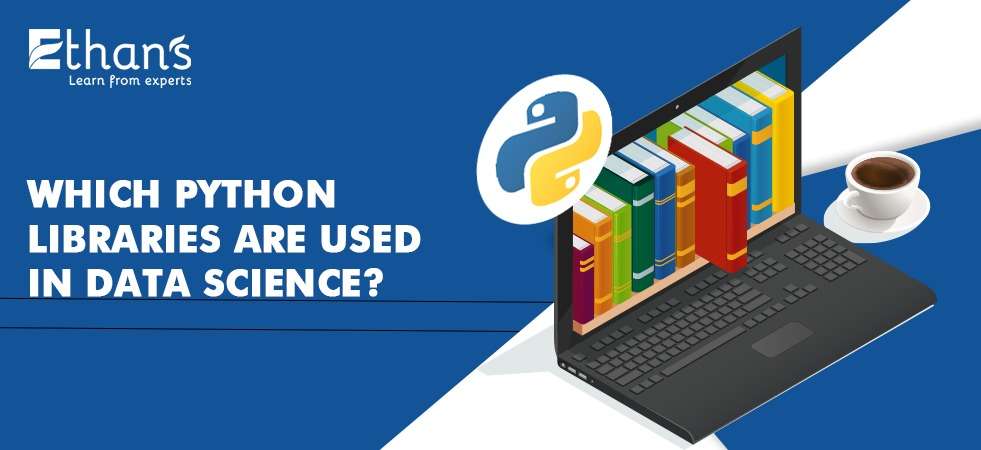
Which Python Libraries are Used in Data Science?
Python has established itself as a dominant player in the field of data science, thanks in large part to its extensive collection of libraries and packages. These libraries provide data scientists with the tools they need to analyze, visualize, and manipulate data effectively. If you’re interested in pursuing a career in data science, it’s crucial to familiarize yourself with the Python libraries that are essential for the job. In this article, we’ll explore some of the key Python libraries used in data science and why they are indispensable. Top Python Libraries in Data Science Explore the top Python libraries essential for data science tasks. From data manipulation to machine learning, discover the tools that streamline your data analysis workflow efficiently. NumPy: The Fundamental Library NumPy is often considered the fundamental package for scientific computing in Python. It provides support for arrays, mathematical functions, and operations, making it an essential library for data manipulation and numerical analysis. Data scientists use NumPy for tasks such as data cleaning, transformation, and handling large datasets efficiently. Pandas: Data Manipulation Made Easy Pandas is the go-to library for data manipulation and analysis. It offers easy-to-use data structures, such as DataFrames, that allow you to organize and analyze data quickly. With Pandas, you can filter, clean, and perform various data transformations, making it an indispensable tool for data preprocessing. Matplotlib and Seaborn: Data Visualization Data visualization is a critical aspect of data science. Matplotlib and Seaborn are Python libraries that enable the creation of informative and visually appealing graphs and charts. Matplotlib is a versatile library, while Seaborn is built on top of Matplotlib and simplifies the creation of complex visualizations. Both are essential for conveying data insights effectively. Scikit-Learn: Machine Learning Made Accessible Scikit-Learn is the go-to library for machine learning in Python. It provides a wide range of machine-learning algorithms and tools for tasks such as classification, regression, clustering, and model evaluation. Whether you’re a beginner or an experienced data scientist, Scikit-Learn is a valuable resource for building and deploying machine learning models. TensorFlow and PyTorch: Deep Learning Powerhouses For deep learning and neural network applications, TensorFlow and PyTorch are the top choices. These libraries offer flexible and powerful frameworks for building deep learning models. They have extensive community support and a wide range of pre-built models, making them ideal for tasks like image recognition, natural language processing, and more. Statsmodels: Statistical Analysis Statsmodels is a library used for performing statistical analysis. It provides a wide range of statistical models, hypothesis tests, and data exploration tools. Data scientists use Statsmodels when they need to conduct in-depth statistical analysis and hypothesis testing. Keras: Specialized Language for Deep Learning Keras is a highly specialized language based on Python used for NLP, deep learning, and machine learning. It is instrumental in developing deep learning models and is widely used for tasks like natural language processing and image recognition. NLTK and SpaCy: Natural Language Processing For text analysis and natural language processing (NLP), NLTK (Natural Language Toolkit) and SpaCy are essential. NLTK provides a wide range of NLP tools and resources, while SpaCy is known for its speed and efficiency in text processing tasks. These libraries are crucial for analyzing and extracting insights from text data. Plotly: Interactive Data Visualization Plotly is a popular library for creating interactive data visualizations. It allows data scientists to build interactive, web-based charts and dashboards that can be shared and explored by others. This is especially valuable when you want to communicate data findings in an engaging and user-friendly way. Dask: Parallel Computing for Big Data As data volumes continue to grow, parallel computing becomes increasingly important. Dask is a library that enables parallel and distributed computing in Python. It’s used for handling larger-than-memory computations, making it a vital tool for processing big data. In conclusion, these Python libraries are the building blocks of data science. By mastering these libraries, you’ll gain a strong foundation for working with data, performing statistical analysis, and developing machine learning and deep learning models. Whether you’re a student looking to enter the field of data science or a working professional aiming to upskill, understanding these libraries will be your key to success. At Ethan’s Tech, we offer comprehensive Python courses in Pune and training to help you harness the power of these libraries and excel in the field of data science. To kick-start your data science journey, explore our Python courses at website.ethans.co.in/ and unlock a world of opportunities in data science. Remember, data science is a dynamic field, and staying updated with the latest Python libraries is essential. As you continue your learning journey, keep exploring and experimenting with these libraries to keep your skills sharp and your data science career on the right track. Frequently Asked Questions Q1: What are the key Python libraries used in data science? A1: Some of the key Python libraries for data science include NumPy, Pandas, Matplotlib, Seaborn, Scikit-Learn, TensorFlow, PyTorch, Statsmodels, XGBoost, LightGBM, NLTK, SpaCy, Plotly, and Dask. Q2: Why is NumPy essential for data science? A2: NumPy is essential because it provides support for arrays, mathematical functions, and operations, making it crucial for data manipulation and numerical analysis. Q3: What is the role of Pandas in data science? A3: Pandas is used for data manipulation and analysis. It offers data structures like DataFrames, which are essential for organizing and analyzing data. Q4: How do Matplotlib and Seaborn contribute to data science? A4: Matplotlib and Seaborn are Python libraries used for data visualization. They enable the creation of various graphs and charts to communicate data insights effectively. Q5: What is Scikit-Learn, and why is it important for data scientists? A5: Scikit-Learn is a library for machine learning that offers a wide range of algorithms and tools. It’s important for building and deploying machine learning models. Q6: When should I use TensorFlow and PyTorch in data science? A6: TensorFlow and PyTorch are used for deep learning and neural networks. They are ideal for tasks like image recognition and … Read more