
Why is Python a Must-Have Skill for Data Analysis and Data Science?

While enrolling for a data science course in Pune or a data analyst course in Pune, a common question budding data professionals ask us is about the programming language. Yes. Those days when programming language proficiency was restricted to web developers or programmers are long gone. Amidst today’s data-driven age, you need programming languages to be more effective. One such programming language that matters is Python. Python has been around for decades. It has played a significant role in shaping the technology world. For instance, it is the most preferred language for AI applications. However, what role does it play in data analysis and data science? Why should data analysts and data scientists learn Python? Let’s answer these together in this blog. Python’s Role in Data Python is a key element of the data business. It plays an instrumental role throughout the entire data workflow, enabling processes, including; Data Collection and Cleaning: Python scripts can fetch data automatically from APIs, databases, and files. Libraries like Pandas help easily clean, transform, and organize unorganized data. Statistical Analysis: The SciPy library helps you perform statistical functions like hypothesis testing, regression analysis, etc. Exploratory Data Analysis: Libraries like NumPy and Pandas enable fast calculations, filtering, grouping, and exploring your datasets to uncover patterns and anomalies. Further, Seaborn and Matplotlib let you visualize these insights with engaging graphs and charts. Machine Learning: Scikit-learn, another library, offers a toolkit to build and evaluate ML models. Additionally, frameworks like TensorFlow and PyTorch help tackle intricate problems. Automation and Reporting: You can also automate repetitive data-related tasks and produce insightful reports, helping you save effort and time. Now that you’ve overviewed how significant Python is in the data realm, let’s see seven reasons that make learning the language a must. 7 Reasons Data Scientists and Analysts Must Learn Python Here’s why Python is a revered skill in the data world. Soft Learning Curve Python is simple, has an easily readable syntax, and requires writing fewer lines of code. Hence, it is perfect for beginners. Data scientists and analysts spend a significant amount of time coding. Python simplifies life with its intuitiveness and readability, saving hours! Robust Data Libraries Python is popular for its libraries that empower data science and analysis. Some include; Pandas: Data manipulation and analysis NumPy: Numerical computing and support for multi-dimensional arrays and matrices Matplotlib and Seaborn: Data visualization, simple plot, complex graphs creation SciPy: Scientific computing for statistical analysis and optimization Active Community Python has a massive and active community with support for queries, concerns, etc. As a user or developer, you will find innumerable online resources, tutorials, forums, and useful human help prepared to assist you through your learning journey. Versatility that Transcends Data Undoubtedly, Python is a powerhouse for data. However, its usefulness isn’t restricted to data alone. Hence, even web developers use it with frameworks like Django and Flask. It enables tasks like scripting, automation, scientific computing, and more. Thus, learning Python arms you with a transferable skill set! Open Source and Free Python’s beauty also lies in its open-source nature. Hence, you can use it freely. As a budding data scientist or analyst, this works as an advantage. It is because access to software tools in the data world can be costly. Thus, leveraging Python and its libraries without any financial investment is a significant plus. AI and Machine Learning Yes. We cannot ignore these elements. Python is amongst the most preferred languages for ML and AI applications. Keras, PyTorch, and TensorFlow libraries enable you to build complex ML models and deep learning networks. So, whether you are working with images, text, or audio content, Python helps you build advanced AI solutions. As AI and ML become indispensable for any business, Python proficiency can add a new dimension to your skills and make you a valuable asset. Seamless Integration with Other Technologies The Python language is a team player. Thus, it can integrate with databases, including AWS, Google Cloud, and Azure, along with various other tools the data ecosystem uses. The programming language offers a significant advantage in live data environments. Job Market Demand Python is one of the most in-demand skills for data-related fields. Thus, whether you work as a data scientist, analyst, ML engineer, or BI analyst, Python is a skill requirement that most employers highlight and ask for. Prepared to Become a Python-Proficient Professional? Join Ethan’s Tech. Our data analytics classes in Pune and data analysis courses in Pune offer a comprehensive curriculum with Python as one of the major highlights. We nurture a team of seasoned faculty members with years of experience in the data ecosystem. Our courses provide abundant practical exposure to the latest tools and technologies to make you a competent professional with the skills the industry expects. Want to explore our courses and interact with our experts? Call us at +91 95133 92223.

Top Placement-Oriented Courses for Career Success

Top Placement-Oriented Courses

Introduction In today’s fiercely competitive job market, the significance of equipping oneself with the right skills cannot be emphasized enough. Placement-oriented courses have gained immense popularity among students and professionals seeking to enhance their career prospects. At Ethan’s Tech, we offer a range of IT courses designed to prepare individuals for successful and fulfilling careers. In this article, we’ll explore the top five placement-oriented courses that have consistently proven to be in high demand. 1. Python Programming Python is a versatile programming language that has become a favorite among developers, thanks to its simplicity and power. Proficiency in Python is sought after in a wide range of roles, from web development to data analysis. Ethan’s Python course introduces students to the fundamentals of Python and guides them through its applications. After completing the course, students are well-prepared for positions in software development, data analysis, and more. 2. Data Analytics  In the tech and IT industry, your success depends on your ability to adapt to the multiple software and languages used by companies across various sectors. Companies need professionals who can seamlessly transition between different programming languages and software tools. Ethan’s Data Analytics program stands out from the rest by offering a unique approach. We provide students with a comprehensive set of skills in five essential programs: Python, SQL, Alteryx, Power BI, and Tableau. Our program is designed to help students make smooth transitions from one technology to another, making them highly employable in diverse industries. This adaptability sets our graduates apart, ensuring they are well-prepared to tackle the dynamic and ever-evolving data analytics landscape. 3. Data Science In the era of big data, data science has emerged as a crucial field. Organizations across industries rely on data scientists to extract meaningful insights from vast datasets. Ethans Data Science course is tailored to equip students with the skills and knowledge necessary to excel in this role. From data analysis to advanced analytics, our comprehensive curriculum covers it all. Graduates of our Data Science course find themselves in high demand in industries such as finance, healthcare, and e-commerce. “Curious about the potential of a career in Data Science? Explore our comprehensive guide on ‘Is Data Science a Good Career?’ to get insights into the opportunities, job prospects, and benefits of entering the data science field. Discover if it’s the right path for you.” 4. AWS (Amazon Web Services) The rise of cloud computing has made AWS a dominant force in the tech industry. Businesses worldwide depend on AWS services for their scalability, security, and reliability. Our AWS course dives deep into the world of cloud computing, covering various AWS services and certifications. Graduates of this course are ready to take on roles as cloud architects, system administrators, and cloud developers, making them valuable assets in the job market. “Preparing for AWS job interviews? Dive into our comprehensive collection of ‘AWS Interview Questions and Answers.‘ Gain the edge you need to excel in AWS interviews, showcasing your expertise and securing your dream job in the world of cloud computing.” 5. Azure – Your Gateway to the Cloud Azure, Microsoft’s cloud computing platform, has become a powerhouse in the world of cloud services. It offers a wide array of tools and services, making it an ideal choice for businesses seeking cloud solutions. Learning Azure is a strategic move for anyone looking to secure a promising career in cloud computing. Azure’s offerings include virtual machines, data storage, AI and machine learning, IoT solutions, and more. Mastering Azure can open doors to various job opportunities, including cloud administrator, solution architect, and cloud developer. 6. DevOps – Bridging the Gap Between Development and Operations DevOps, short for Development and Operations, is a culture and set of practices that automates and integrates the processes between software development and IT teams. It aims to shorten the systems development life cycle and provide continuous delivery with high software quality. By embracing DevOps, organizations can achieve faster, more reliable software releases, resulting in better customer experiences. This has made DevOps a sought-after skill in the IT industry. A DevOps engineer plays a critical role in building, deploying, and maintaining applications. Learning DevOps tools and practices can lead to rewarding careers in fields like DevOps engineering, automation, and release management. “Interested in DevOps careers and their earning potential? Check out our in-depth analysis of DevOps Engineer Salaries in India. Learn about the financial rewards of a DevOps career and discover why it’s a top choice in the IT industry.” Conclusion Placement-oriented courses play a pivotal role in shaping career success. At website.ethans.co.in/, we are committed to providing top-notch education that empowers our students with the skills needed for a competitive job market. Our Python Course, Data Science, Data Analytics, Python Programming, AWS, Azure, and DevOps courses have consistently delivered outstanding results, preparing our graduates for successful careers. If you’re looking to enhance your career prospects, consider enrolling in one or more of these courses. Explore the opportunities available at website.ethans.co.in/ and take a step closer to achieving your career goals. Are you ready to take the next step in your career journey? Discover the courses offered at website.ethans.co.in/ and start your path to a successful career today. To learn more and enroll in one of our placement-oriented courses, visit our website. “As we’ve explored these top five placement-oriented courses, you might be interested in our previous blog about ‘10 Short-Term Job-Oriented Courses to Kickstart Your Career’ Click here to discover how continuous learning can transform your career prospects.” Frequently Asked Questions (FAQs) 1. How do I enroll in one of these courses at website.ethans.co.in/? Enrolling in our courses is easy. Visit our website and follow the enrollment instructions for the course of your choice. 2. What are the prerequisites for these courses? Prerequisites may vary depending on the course. Typically, we recommend a basic understanding of relevant concepts, and specific prerequisites are mentioned on our course pages. 3. Can I take more than 1 course simultaneously? Yes, you can enroll in … Read more

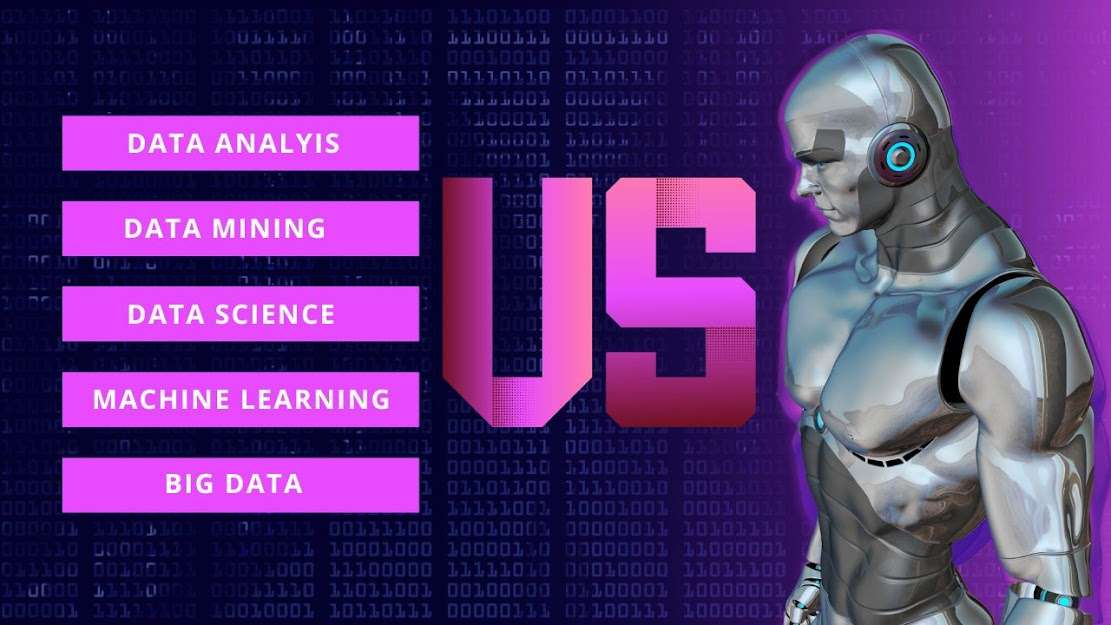
Data Analysis Vs. Data Mining Vs. Data Science Vs. Machine Learning Vs. Big Data

Data Analysis, Data Mining, Data Science, Machine Learning, Big Data

Introduction Data science is an interdisciplinary field that involves using statistical, mathematical, and computational techniques to extract insights and knowledge from data. It is a broad field that encompasses many subfields, including data analytics, data analysis, data mining, machine learning, and big data. What is Data Analytics? Data analytics involves examining datasets to extract insights and knowledge from them. It is often used to inform business decisions or identify patterns in data. Data analytics involves both descriptive and diagnostic analysis, which means that it can be used to describe what has happened in the past and diagnose the reasons why it happened. What is Data Analysis? Data analysis is a more general term that refers to the process of examining data to extract insights and knowledge from it. It can involve various techniques, including statistical analysis, machine learning, and data visualization. Data analysis is often used in scientific research to test hypotheses and draw conclusions from data. What is Data Mining? Data mining is a specific technique used to extract insights and knowledge from large datasets. It involves using statistical and machine learning algorithms to identify patterns in data that can be used to make predictions or inform business decisions. Data mining is often used in fields like finance, healthcare, and marketing to identify trends and patterns in data. What is Data Science? Data science is a field that encompasses many different techniques and approaches to working with data. It involves using statistical, mathematical, and computational techniques to extract insights and knowledge from data. Data science can involve various subfields, including data analytics, data analysis, data mining, and machine learning. What is Machine Learning? Machine learning is a specific subfield of data science that involves building models that can learn from data and make predictions or decisions based on that data. It involves training algorithms on large datasets and using them to make predictions or classifications on new data. Machine learning is often used in fields like image and speech recognition, natural language processing, and recommendation systems. What is Big Data? Big data refers to datasets that are too large and complex to be processed using traditional data processing techniques. Big data involves the use of advanced computing technologies, such as distributed computing and cloud computing, to process and analyze data. Big data is often used in fields like finance, healthcare, and marketing to identify trends and patterns in data. Difference Between Data Analytics, Data Analysis, Data Mining, Data Science, Machine Learning, & Big Data Although these terms are often used interchangeably, they have distinct differences. Here are some of the key differences between them: Data analytics is the process of examining datasets to extract insights and knowledge from them, while data analysis is a more general term that refers to the process of examining data to extract insights and knowledge from it. Data mining is a specific technique used to extract insights and knowledge from large datasets using statistical and machine learning algorithms. Machine learning is a specific subfield of data science that involves building models that can learn from data and make predictions or decisions based on that data. Big data refers to datasets that are too large and complex to be processed using traditional data processing techniques and often involves the use of advanced computing technologies like distributed computing and cloud computing. Conclusion While data analytics, data analysis, data mining, data science, machine learning, and big data are all related to the management and processing of data, they are different concepts with distinct goals and objectives. Understanding the differences between these terms is critical to effectively leveraging data and deriving valuable insights. To summarize, data analytics focuses on extracting insights from data sets, while data analysis involves examining and interpreting data to draw conclusions. Data mining is the process of extracting patterns and insights from data sets, while data science involves the use of scientific methods to extract insights from data. Machine learning is a subset of data science that focuses on building algorithms that can learn from data and make predictions, while big data refers to large, complex data sets that require specialized tools and techniques for processing. By understanding the differences between these concepts, individuals and organizations can make better decisions about how to leverage data and gain insights into their business and customers. As the importance of data continues to grow, a solid understanding of these concepts will be increasingly critical to success in the digital age.

Data Analytics and Its Features

Data science and it's features

What is Data Analysis? Although there are several groups, organizations, and specialists who approach data analysis in various ways, the majority of them may be condensed into a universal description. According to the Data analysis course in Pune Data Analysis is the process of modifying, processing, and cleaning raw data in order to obtain useful, pertinent information that supports commercial decision-making. The process offers helpful insights and statistics, frequently presented in charts, graphics, tables, and graphs, which lessen the risks associated with decision-making.  The phrase “big data” is frequently used when talking about data analysis. Data analysis is essential for turning huge data into information that is valuable. According to the data analyst course in pune, beginner data analysts should return to the fundamental query, “What is data?” if they want to delve deeper by addressing big data fundamentals. There are various learning sources in business analytics courses in pune. One can find the best Data Analytics courses in Pune, either online or offline. Because the industry is growing, the availability of Business analytics courses has also seen growth.  Importance of Data Analysis Here is a list of the key factors that make data analysis so important in today’s corporate environment.  Better Customer Targeting You don’t want to spend your company’s valuable time, money, and resources creating advertising campaigns that are aimed at groups of people who have little or no interest in the products and services you provide. Data analysis enables you to determine where to concentrate your advertising efforts.  You Will Know Your Target Customers Better Data analysis keeps track of how successfully your advertisements and items are selling to your target market. Your company can learn more about the purchasing patterns, disposable income, and most likely interests of your target market through data research. Businesses can use this information to forecast the amount of goods they will require, set prices, and decide the duration of advertising campaigns.  Reduce Operational Costs Data analysis identifies the parts of your company that require additional funding and resources as well as those that are underperforming and should be reduced or completely removed. Better Problem Solving Methods Successful decisions are more likely to be made when they are well-informed. Data offers information to businesses. This progression’s direction is clear. Data analysis aids companies in making wise decisions and avoiding costly blunders.  Read Full Blog – How Difficult is Data Analytics? You get more Accurate Data Data is necessary if you want to make educated decisions, but there are other factors as well. The relevant data must be correct. Businesses can gather pertinent, precise information with the aid of data analysis, which is then used to create future marketing strategies, business plans, and realign the company’s vision or mission.

What is Data Analysis?

What is Data Analysis | Ethan's Tech

What is Data Analysis? Although there are several groups, organisations, and specialists who approach data analysis in various ways, the majority of them may be condensed into a universal description. Data analysis is the process of modifying, processing, and cleaning raw data in order to obtain useful, pertinent information that supports commercial decision-making. The process offers helpful insights and statistics, frequently presented in charts, graphics, tables, and graphs, which lessen the risks associated with decision-making.  The phrase “big data” is frequently used when talking about data analysis. Data analysis is essential for turning huge data into information that is valuable. Beginner data analysts should return to the fundamental query, “What is data?” if they want to delve deeper by addressing big data fundamentals. There are various learning sources of Data Analytics in Pune. One can find the best Data Analytics courses in Pune, either online or offline. Because the industry is growing the availability of Business analytics courses  has also seen a growth. Importance of Data Analysis Here is a list of the key factors that make data analysis so important in today’s corporate environment.  Better Customer Targeting You don’t want to spend your company’s valuable time, money, and resources creating advertising campaigns that are aimed at groups of people who have little or no interest in the products and services you provide. Data analysis enables you to determine where to concentrate your advertising efforts. You Will Know Your Target Customers Better: Data analysis keeps track of how successfully your advertisements and items are selling to your target market. Your company can learn more about the purchasing patterns, disposable income, and most likely interests of your target market through data research. Businesses can use this information to forecast the amount of goods they will require, set prices, and decide the duration of advertising campaigns. Reduce Operational Costs: Data analysis identifies the parts of your company that require additional funding and resources as well as those that are underperforming and should be reduced or completely removed. Better Problem Solving Methods: Successful decisions are more likely to be made when they are well-informed. Data offers information to businesses. This progression’s direction is clear. Data analysis aids companies in making wise decisions and avoiding costly blunders. You get more Accurate Data: Data is necessary if you want to make educated decisions, but there are other factors as well. The relevant data must be correct. Businesses can gather pertinent, precise information with the aid of data analysis, which is then used to create future marketing strategies, business plans, and realign the company’s vision or mission.