- Admission Open For New batch
Advance Certification Program in Cloud & DevOps
In Association with:
Certification aligned to:
- Advanced Certification from MeitY (Ministry of Electronics and Information Technology) in association with FutureSkills Prime.
- 06 Months technical training program with hybrid classes (online + offline), ideal for learners looking for cloud computing training or cloud computing classes in Pune.
- Suitable for college students, graduates, postgraduates, candidates with a career gap, and early professionals.
- Start from scratch – no prior experience needed, all prerequisites will be covered.
- Next-Gen curriculum for the age of cloud automation, DevOps pipelines, AI-driven infrastructure, and modern cloud platforms.

31st Dec
Next Batch
06 Months
Course Duration
Hybrid
Online + Offline
5 LPA
Avg Package


Advanced Certification in Cloud Computing Classes in Pune & DevOps
Advanced Certification in Cloud Computing Classes in Pune & DevOps
Join our Advanced Certification in Cloud Computing Courses & DevOps. This comprehensive program covers essential tools and technologies such as AWS, Python, Linux Admin, Shell Scripting, Docker, Kubernetes, Terraform, Ansible, Jenkins, and Git. Enhance your cloud computing and DevOps skills with expert guidance from Ethans. With our course, you’ll gain the expertise to handle real-world business situations using a variety of cloud and DevOps tools.
Enroll in our Advanced Certification in Cloud Computing Classes in Pune & DevOps today and kickstart your journey to becoming a proficient cloud and DevOps specialist. Benefit from our flexible learning options and lifetime access to course materials to continually update your skills. Join a cloud computing course near me as a professional and gain networking opportunities that will boost your career growth.
Register to confirm your seat. Limited seats are available.
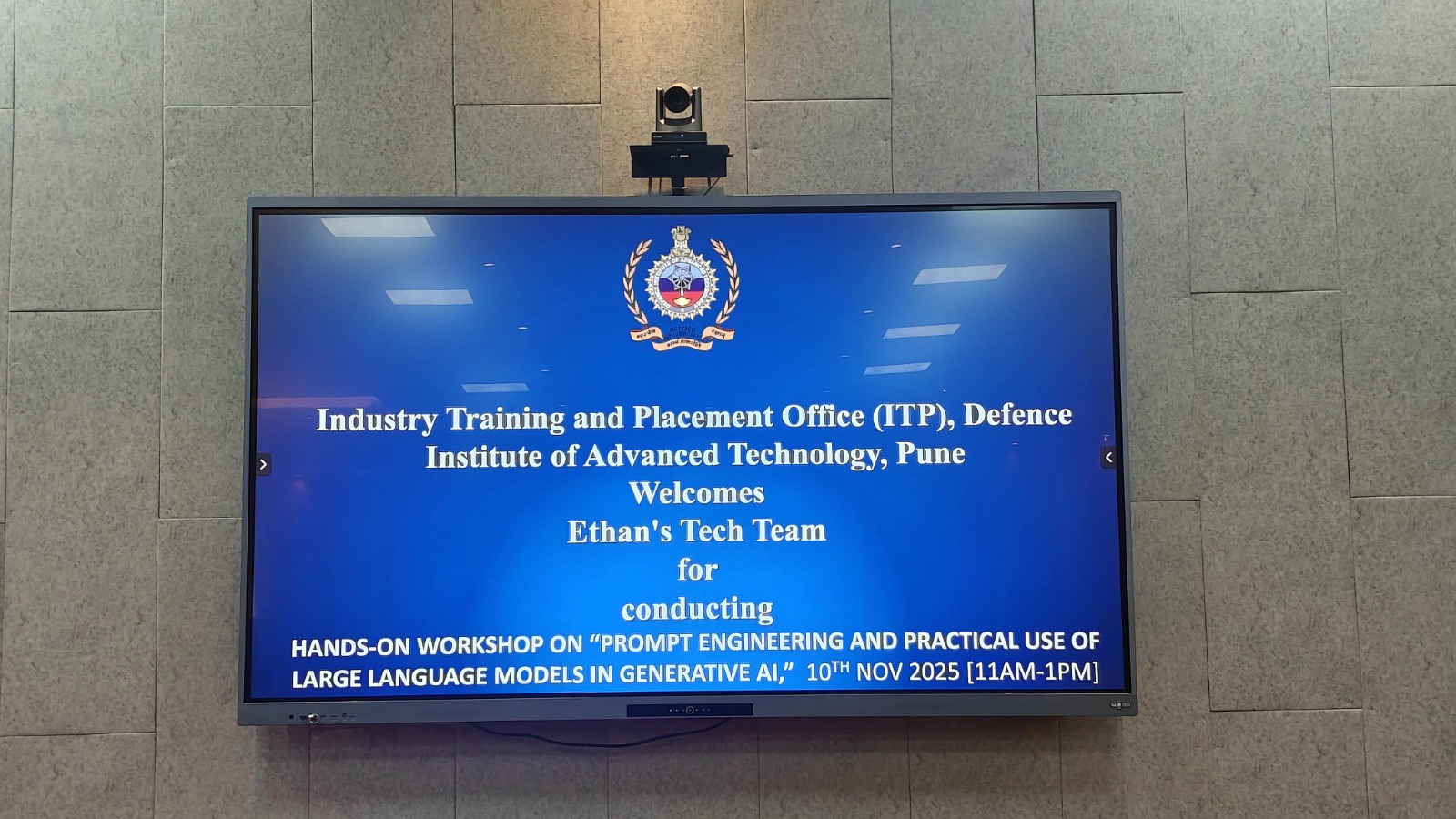
Guest Lectures by IIT professors
Ethan's Tech Career Track
IIT Approved Mentors
Advance Curriculum
Cloud Computing & DevOps Training Location
- Wakad
- Kharadi
- Shivajinagar


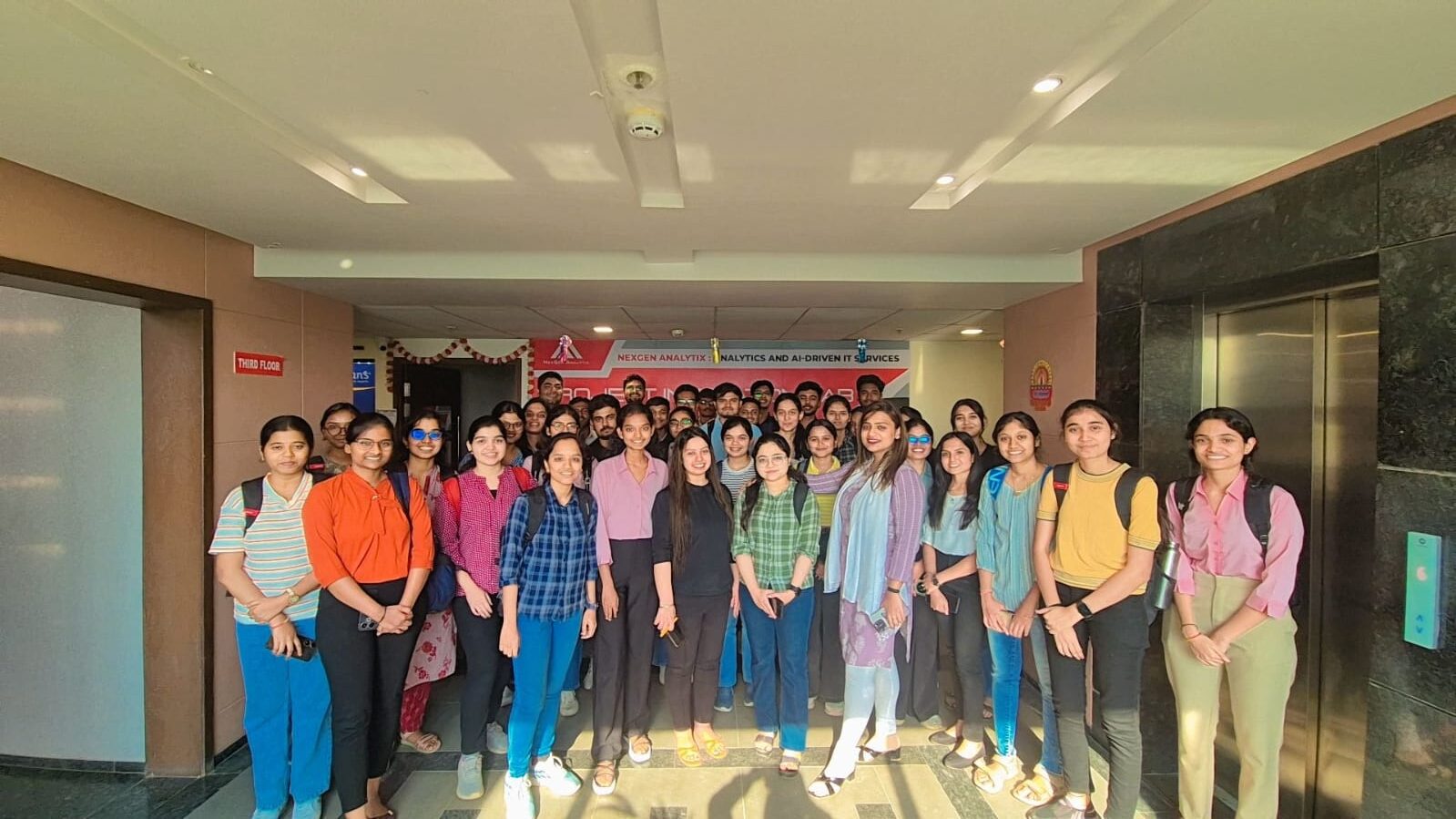
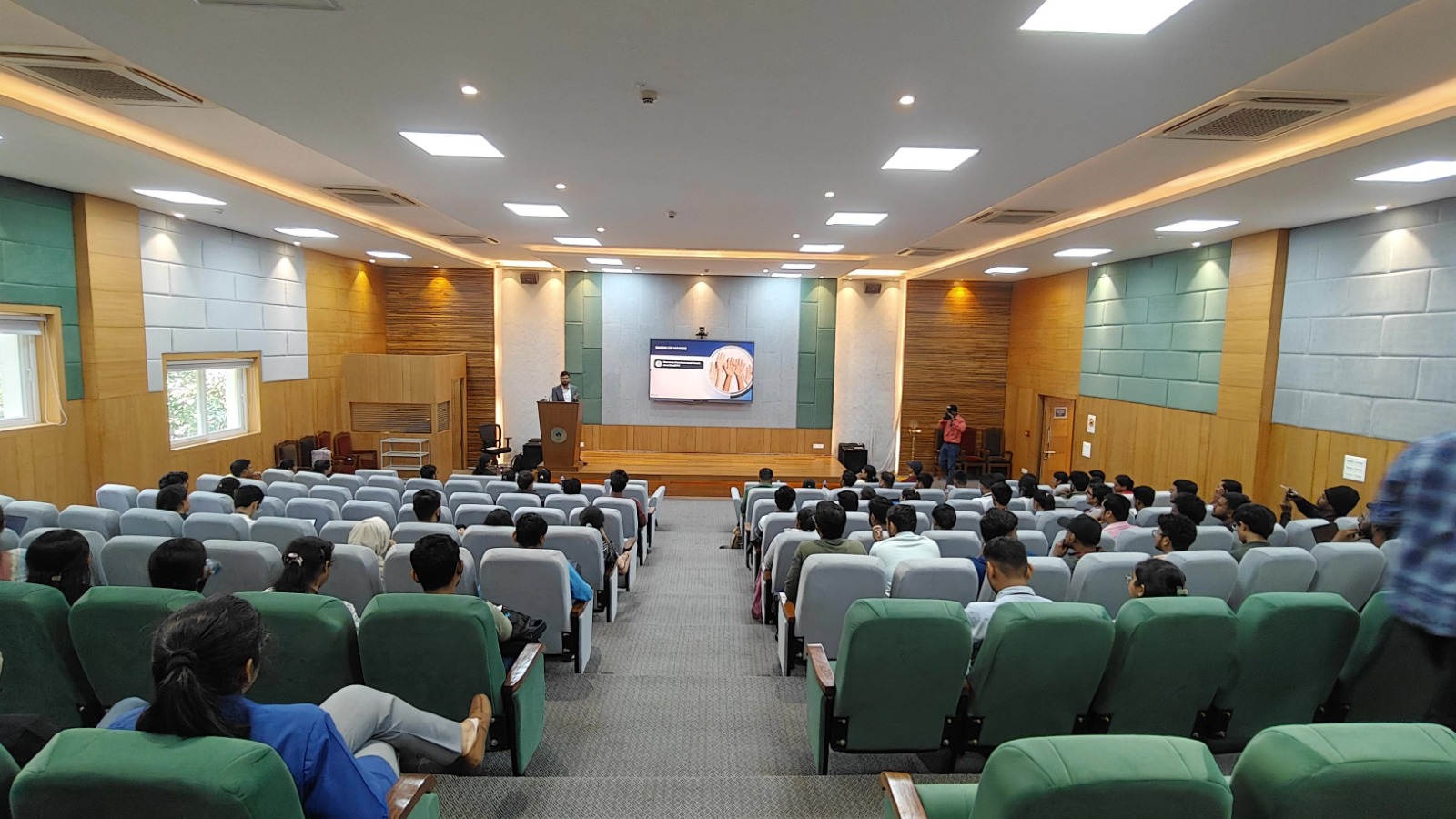

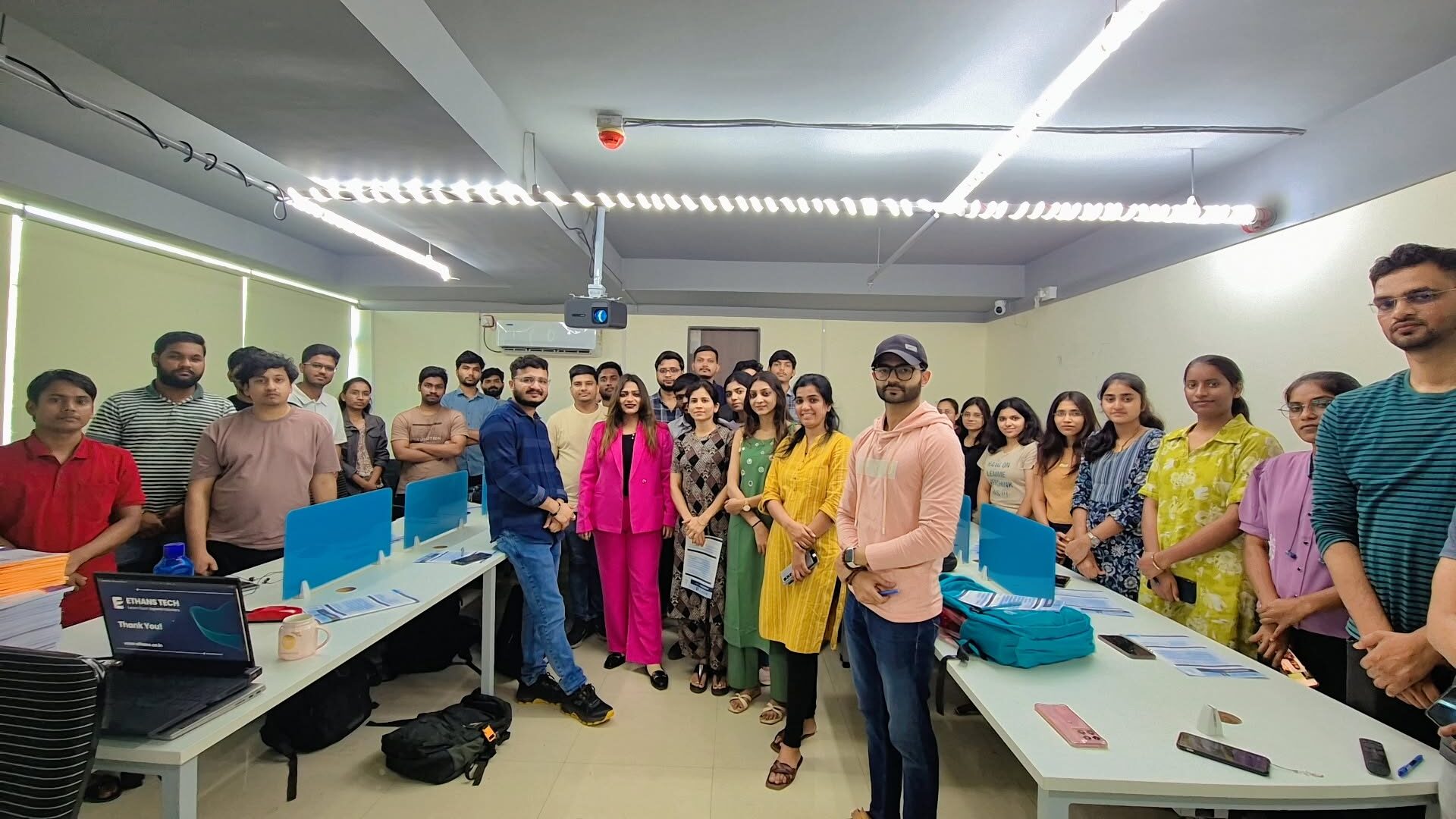
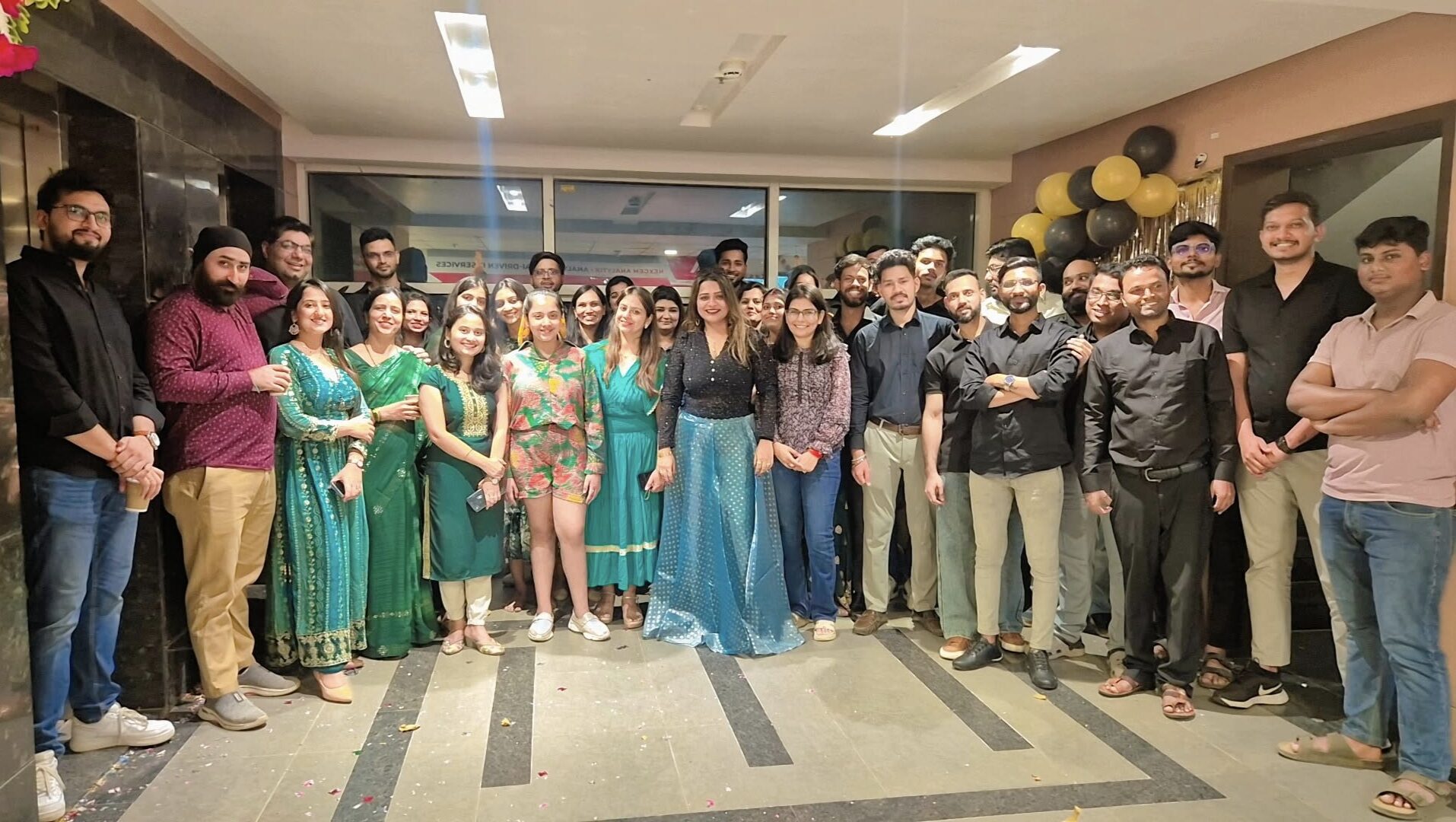
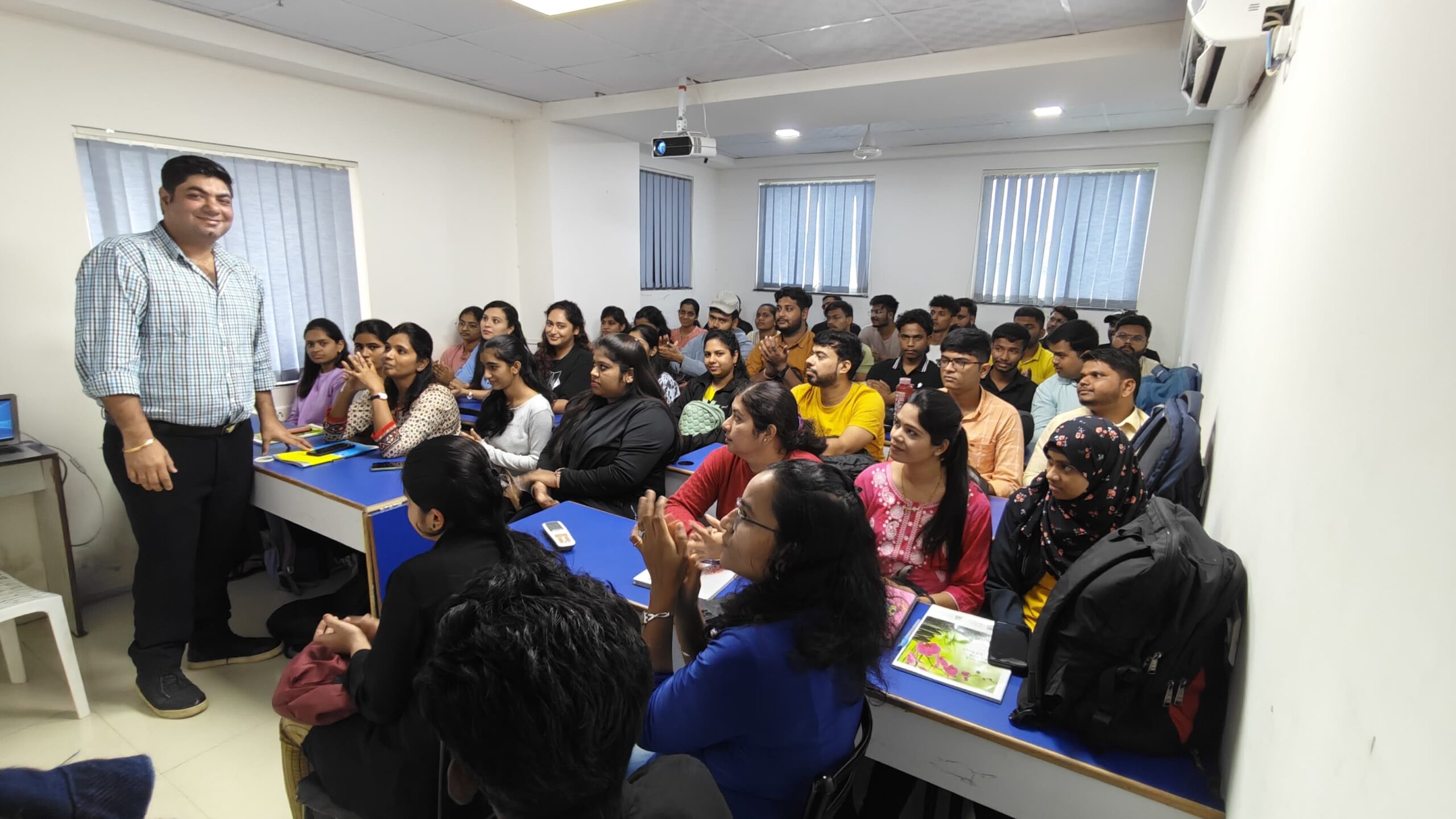









Learn From the Masters
Our team is made up of industry experts, seasoned professionals, and passionate trainers who work together as a close-knit family. We believe in not just teaching, but inspiring and growing together — creating a learning environment that feels like home and performs like the best in the business.

Gurjeet Sir
Ex IIT Kharagpur, AI

Sachin Sir
Ex Microsoft – Azure

Vinit Sir
Ex IIT Bombay, GenAI

Alam Sir
Cloud & DevOps Architect

Jatin Sir
Ex Credit Suisse, Python

Siddhant Sir
Ex IIIT Allahabad, DSA

Raman Sir
Ex-Data Analyst, MuSigma

Anurag Sir
Ex-IIM Bangalore, GenAI

Himanshu Sir
Unlock 20,000+ Worth of Premium Bonuses 100% FREE!

Master the Best Tech Tools









About the Course
Advanced Certification in Cloud Computing & DevOps
What is Cloud Computing & DevOps all about?
Cloud Computing and DevOps are two closely related fields that revolutionize how IT services are delivered and managed.
Cloud Computing
Cloud computing involves delivering various computing services—such as servers, storage, databases, networking, software, and analytics—over the internet (the cloud). This allows for flexible resources, economies of scale, and faster innovation. Key aspects include:
- Scalability: Easily scale up or down based on demand.
- Cost Efficiency: Pay for only what you use, reducing capital expenditure.
- Accessibility: Access services from anywhere with an internet connection.
- Reliability: Benefit from the robust infrastructure of cloud providers, ensuring high availability and disaster recovery.
DevOps
DevOps is a set of practices that combines software development (Dev) and IT operations (Ops). The goal is to shorten the development lifecycle and deliver high-quality software continuously. Key aspects include:
- Collaboration: Encourages collaboration between development and operations teams.
- Automation: Automates repetitive tasks such as testing, deployment, and monitoring.
- Continuous Integration/Continuous Deployment (CI/CD): Ensures that code changes are automatically tested and deployed to production.
- Monitoring and Logging: Provides continuous feedback on application performance and user experience.
Intersection of Cloud Computing and DevOps
The synergy between Cloud Computing and DevOps enhances both fields:
- Cloud platforms provide the infrastructure that DevOps relies on for continuous integration and delivery.
- DevOps practices optimize the use of cloud services by automating and streamlining workflows.
- Scalability and Flexibility: DevOps can quickly adapt to changing requirements by leveraging the scalability of the cloud.
- Cost Management: Cloud services can be closely monitored and optimized using DevOps tools, leading to better cost management.
What are the Reasons to Learn AWS & DevOps?
- Customization: AWS platform permits its user’s a high level of customization to fulfill the requirement of individual businesses. Customization option which includes customer-defined tagging allows users to easily monitor and deal with particular resources. AWS tags may be utilized for cost tracking, security and automation as well.
- Flexibility & scalability: Starting with initiation, Amazon has usually paid attention to scalability. AWS services are always flexible on your needs and you could auto-scale them per your requirement. Businesses do not need to cope with the limitations of physical computing infrastructure and may have access to servers and storage on demand. Scalability permits automatic growth or decrease of resources capability as per the desires. Flexibility permits organizations to up-scale and down-scale according to the requirements. You can begin and stop any service at any time.
- Application programming interface: AWS APIs are available in various programming languages which permits you to manage your infrastructure programmatically. Third-party services like CloudRanger, Quintly, and Tango card assist you to release a brand new instance; take backups, and support using all time and cost-saving features of AWS. For example, CloudRangers enables the organization to understand the cloud with a visible representation. Quintly offers social media analytics for brands on a single dashboard.
- Security: Security has usually been a major concern for organizations in terms of selecting any service and cloud security has always been a topic of debate. This concern AWS understands very well. AWS affords the best level of data privacy and security to its customers irrespective of their business size. It doesn’t matter whether or not you’re running a small startup or a huge business AWS has large security support which gives real-time insight on suspicious activity and capacity vulnerabilities. AWS ensures data privacy through physical security, fine-grained access, and data locality control. There is likewise no additional cost for IAM (Identity and Access Management). IAM enables customers to manipulate who’s authenticated and certified to apply the resources.
- PaaS Offering: We have discussed that AWS is incredibly scalable. It duplicates similar methods in executed services for data-warehousing, backup, database, transcoding, caching, application management, storage, and infrastructure management. This could be very beneficial in reducing the entire time and energy consumed in setting up & dealing with the infrastructure. This enables a decrease in the general cost of the market.
- Scheduling: Scheduling means you may begin and stop AWS services at predetermined times this means that you may schedule your services to run at a specific time or on a particular day or maybe when a certain occasion takes place. For example, AWS permits you to schedule services which include Elastic Compute Cloud (EC2) and Relational Database Service (RDS). You aren’t required to run those services throughout the weekend or off-hours. Also, scripting isn’t required with the support of third-party tools like CloudRanger.
Why Choose Ethans Tech for AWS & DevOps Course?
Multiple Certifications in one Program: AWS Training in Pune at Ethans Tech provide you with multiple certifications in one training program and the various targeted certificates are as follows:
- AWS Practitioner
- AWS Solution Architect
- AWS Associate Developer
Hands-on Exposure by the Industrial Experts: AWS course at Ethans Tech is being designed by industry experts from numerous MNC’s. After a long series of Brainstorming sessions & considerate discussions, the course has been designed to allow people to get into any IT projects and give a kick start to their career.
Job Assistance Program: Everyone wants to hustle in this generation for a job and the dream work they want. AWS Classes in Pune at Ethans helps you to get into the IT industry as they have a collaboration with various top-notch organizations that enables our students to get into their domains and the preferred industry. Also, Ethans groom you for the interviews and resume building that gives an edge of competitiveness to the students.
What are the different Certificates provided in AWS Course?
- AWS cloud practitioner: This foundational AWS examination covers the core principles of the AWS Cloud. You’ll answer questions concerning crucial AWS services and features, which include business use cases. The examination also covers AWS security and compliance fundamentals and requires you to illustrate working knowledge of AWS billing, support, and pricing. This AWS Certified Cloud Practitioner certification is perfect for absolutely everyone in a non-technical role who needs a general understanding of the AWS platform. For example, IT salespeople can learn to talk with confidence and authority while a conversation touches on a customer’s AWS investments. Also, the certification can assist people in finance, management, and business roles communicate more genuinely with their IT colleagues.
- AWS Solution Architect: For this certification, you want to prove you know the way to build and deploy structures in the AWS Cloud. The examination will ask questions on cloud-based solutions for deployments that follow strict requirements and require you to demonstrate a knowledge of architectural quality practices. You’ll want huge experience deploying, configuring, and dealing with computing, network, storage, and database services in AWS.
- AWS Associate Developer: This AWS examination tests your capacity to develop applications native to the AWS Cloud. You’ll need to show your capacity to apply the AWS SDK to have interaction with and optimize the AWS services which you build into an application. Passing this examination additionally demands a functional understanding of code-level security practices, which includes credential creation and encryption strategies.
Who Should Choose AWS as a Career?
- Product Engineer
- Support professional
- IT finance professional
- Application Developer
- Application QA professional
- IT Manager
- Solution Architect
- Database Administrator
- Security Admin
- Network Professional
- IT pre sales professional
- System Administrators
- Linux Administrator
- IT operations professionals
- Start-up Individuals
- ETL and Data Analytics Professionals
- IOT professionals
- AI ML professionals
How Ethans offer the training?
Our course is designed by industry mentors from various MNCs after thoughtful discussions and a series of brainstorming sessions. The aim is to enable individuals to comfortably work on any related IT projects. In addition to regular sessions, we mentor individuals on building a strong social profile with a good number of use cases and application code. We encourage writing blogs and completing self-paced sample projects to build a strong individual portfolio.
We also provide guidance on technical discussions and presentation skills to help you present yourself better. We have collaborations with multiple top-notch companies, aiding our students in switching their domains and companies. We arrange resume building and grooming sessions to boost confidence and credibility. Our students are added to our placements forum, giving them access to multiple job references from our extensive network of faculties. A technical discussion forum is also maintained to help sort out technical queries.
Upon completion of the course and assessment of the assigned projects, Ethans Tech provides you with a course completion certificate, which adds a valuable credential to your professional profile.
Syllabus
Advanced Certification in Cloud Computing & DevOps
Advanced Certification in Cloud Computing & DevOps Training Content
Python Essentials: Learn, Code, Create
- Python Basics: Learn to Code
- Introduction to Python Programming
- Basic Data Types in Python
- Variables and Naming Conventions
- Data Types in Python
- Data Structure
- Python String Object
- Python List and Tuple Objects
- Python Dictionary Object
- Python Set Object
- Indexing & Slicing
- Importance of indexing in Python
- Introduction to Slicing
- Indexing and Slicing in Strings
- Indexing and Slicing in Lists and Tuples
- Operators in Python
- Arithmetic Operators
- Comparison Operators
- Logical Operators
- Assignment Operators
- Membership Operators
- In-Built Functions & Methods
- Exploring Built-in Functions
- Using Built-in Functions with Data Types
- Introducing Built-in Methods for Specific Data Types
- Introduction to Python Programming
- Python Control Flow Simplified
- Statements, Indentation and Conditionals
- Statements and Indentation
- Introduction to Conditional Statements
- Combining Multiple Conditions
- Loops & Iterations
- Conditional Loops (While Loop)
- Conditional Loops (For Loop)
- Master
forloops, Learnwhileloops - Comprehend Loop Control Statements
- Explore Nested Loops
- Statements, Indentation and Conditionals
- Building Smarter Programs
- Custom Functions in Python
- Introduction to Custom Functions
- Defining and Calling Custom Functions in Python
- Working with Arguments and Return Values
- Advanced Looping Concepts
- List Comprehension
- Set Comprehension
- Dictionary Comprehension
- Lambda Functions
- Custom Functions in Python
- OOPs in Python
- Introduction to Object-Oriented Programming (OOPs)
- Creating and Working with Classes
- Understanding Objects and Instances
- Working with Attributes
- Utilizing Methods in Classes
- Embracing Polymorphism
- Leveraging Inheritance
- Exception Handling & Logging
- Introduction to Exception Handling
- Try-Except Block: Catching Exceptions
- Handling Specific Exceptions
- Finally Block: Cleaning Up After Exceptions
- Raising Exceptions: Taking Control
- Handling Multiple Exceptions: The Exceptional Mastery
Operating System – Linux
- Introduction to Linux & Essential Commands
- The Story of Linux
- History and Evolution of Linux
- Linux Distributions Overview
- Getting Started with AWS Linux Instance
- Linux Instance on AWS Server
- Linux Files and Folders and CLI
- Command Line Syntax
- Understanding File System Hierarchy
- Directory Navigation
- Managing Files and Directories
- The Story of Linux
- Mastering Text Handling in Linux
- Vi Editor
- Introduction to “vi” Editor
- nano Editor
- Introduction to “nano” Editor
- Introduction to Common Utilities
- Text Manipulation with “sed”
- Text Processing with “awk”
- Introduction to grep Utility
- Vi Editor
- File Permissions and Ownership
- Linux Users & Groups
- Create Users and Groups
- Manage Permissions Like a Pro
- Understanding File Permissions
- Managing Special Permissions
- Advance Permission with FACL
- Linux Users & Groups
- Linux Bash Scripting
- Introduction to Shell Scripting
- Basics of Shell Scripting: Syntax, Variables
- Conditional Statements & Loops
- Decision Making in Shell
- Loops
- Functions in Shell
- Functions in Shell Scripts
- Data Handling
- Handling Command Line Arguments
- Input and Output Redirection
- Error Handling and Debugging
- Scheduling Execution of Shell Scripts
- Cron Jobs
- Introduction to Shell Scripting
- Advance Shell Scripting & System Administration
- Shell Scripting Beyond Basics
- Advanced Shell Scripting
- Process Management Essentials
- Process Management
- Linux Daemon Control
- System Initialization and Services
- Comprehensive Log Management
- Log Management and Analysis
- Shell Scripting Beyond Basics
- Networking Basics and Security
- Mastering IPv4 Addressing
- Fundamentals of IP Addressing
- Introduction to IPv4 Subnetting
- IPv6 Essentials
- IPv6 Basics
- Linux Networking Essentials
- Networking Commands in Linux
- Securing Linux with Firewalls
- Configuring Linux Firewall
- Mastering IPv4 Addressing
Amazon Web Services
- Setting Up and Using the Cloud
- An Introduction to AWS
- Basics of Cloud Computing
- Intro to AWS
- AWS Global Infra
- Setting Up Your AWS Account and Exploring the Console
- Creating AWS Account
- Intro to AWS Management Console
- Account Security for Root User with MFA
- Budgets
- Billing Dashboards and Cost Explorer
- Building Your First AWS EC2 Instance with Windows
- SSH Keypairs or EC2 Keypairs
- Generating Keypairs with Third-Party Apps
- Launching Windows Instance & RDP Connection
- Deploying and Accessing Linux Instances in AWS
- Launching a Linux Instance & Connect with SSH
- Hosting a Website
- Creating Port Exceptions in Security Group
- An Introduction to AWS
- Mastering VPC: Networking in AWS
- Creating and Configuring a Fully Functional VPC in AWS
- VPC’s, Subnets
- Internet Gateways
- Route Tables
- Inter VPC Peering Connection
- Advanced Networking with AWS VPC
- NAT Gateway
- Access Control Lists & Security Groups
- Building a Secure VPC Architecture
- Understanding NameResolution and DNS
- Mastering DNS and Name Resolution
- Architecture
- Concepts of Route53 Zone
- Hosting on Traditional DNS Servers vs Route53 Zones
- Domain Registration in Route53
- Creating and Configuring a Fully Functional VPC in AWS
- Mastering EC2: Detailed Insights
- Understanding EC2: Core Concepts and Features
- Understanding Block Storage and EBS Volumes
- Advanced EBS Volumes
- EBS Architecture and Security
- Deploying EBS Volumes
- Attaching Volume to EC2 Instance and Management
- Shared Storage for EC2: EFS Share
- EFS Share Design and Architecture
- Mounting and Accessing EFS Shares in Multiple Instances
- EBS Snapshots and Backup
- Disaster Recovery for EC2: EBS Backup and AMI Creation
- EBS Snapshots Creation and Lifecycle Manager Policy
- Copy EBS Snapshot to Different Regions
- Creating Reference Image with EC2 AMI
- Using AMI for Rapid Deployment of EC2 Instances
- Understanding EC2: Core Concepts and Features
- High Availability with Elastic Load Balancer
- Understanding Concepts of High Availability and the Need for Load Balancer
- Architecture of Elastic Load Balancer in AWS and Its Design
- Components of Elastic Load Balancer and Implementation
- Health Checks for Elastic Load Balancer and Target Groups
- EC2 Auto Scaling Infrastructure
- Need for Dynamic Scaling of Infrastructure
- Design and Architecture of Auto Scaling Groups
- Launch Template in EC2
- Configuring Launch Template and ASG
- Demonstrating Auto Scaled Infrastructure and Auto Healing
- Real-Time Alerts and Monitoring in AWS
- Optimizing AWS Operations with CloudWatch Monitoring
- Concepts of Monitoring
- CloudWatch Metrics Observation
- Seamless Monitoring and Notifications
- Email Notifications with SNS
- Event Triggers with Event Bridge
- Optimizing AWS Operations with CloudWatch Monitoring
- The Ultimate Guide to AWS IAM
- Basics of Authentication and Authorization
- Creating and Managing Users and Groups
- Configuring MFA for IAM Users
- Managing Security with Policies and Roles
- Mastering Amazon RDS for Relational Databases
- Concepts of Relational Database and SQL
- Intro to RDS and Implementation
- RDS Snapshots and Backup in AWS
- Understanding Multi-AZ DB Instance in RDS
- Configuring Secure Access to Database
- Connecting Applications to Database
- AWS Elastic Beanstalk – Application Deployment
- Intro to Elastic Beanstalk and Hosting a Website
- Alias Record Setup in the DNS Zone
- Managing Environment and Creating Clone
- Domain Name Swapping on the Environment
- Application Management in the Environment
- Amazon S3: Scalable and Reliable Cloud Storage
- Understanding the Basics of Amazon S3
- Intro to S3 Buckets
- Object Storage Class
- Unlocking the Power of AWS S3 Advanced Features
- Versioning of S3
- Replication Rule for S3
- Lifecycle Rules for Data Retention Policy
- S3 Baseline Performance
- Understanding the Basics of Amazon S3
- Important Services for Developers & Enterprises
- Mastering AWS CloudFormation
- Intro to AWS Cloud Formation and Its Stack
- Creating Template with Infrastructure Composer
- Launching VPC’s and EC2 Instances with CloudFormation
- AWS SQS Essentials
- Intro to SQS and Its Architecture
- Effortless Cloud Hosting with AWS LightSail
- Intro to LightSail
- Architectural Walkthrough and Important Components
- Deployment of App on LightSail
- Mastering AWS CloudFormation
- Mastering Serverless Architecture in AWS
- AWS DynamoDB Simplified
- Intro to NoSQL Database
- Differentiate Between SQL and NoSQL DB
- Components of DynamoDB
- Creating Tables and Writing Records in Tables
- Integration of DynamoDB with Application
- API Gateway
- Intro to API Gateway
- Deploying and Configuring API Gateway
- Integration with Lambda Functions
- Lambda Functions
- Intro to Lambda Functions
- Creating a Simple Lambda Function
- Triggers for Lambda Function
- From Bucket to Browser: S3 Websites
- S3 Static Websites
- S3 CORS Configuration
- AWS DynamoDB Simplified
DevOps Tools
- The Evolution of DevOps
- Traditional Software Development Models
- Introduction to the Waterfall Model
- Key Phases of the Waterfall Model (Requirements, Design, Implementation, Testing, Deployment, Maintenance)
- Case Studies: When and Where Waterfall Model Worked
- Limitations and Challenges of Traditional Models
- Rigidity in Process
- Late Testing and Bug Discovery
- Limited Feedback Loops
- Impact on Delivery Timelines
- Introduction to the Waterfall Model
- Introduction to Agile Methodology
- Core Principles of Agile (Iterative Development, Customer Collaboration, Responding to Change)
- Comparison: Agile vs. Waterfall
- Advantages of Agile Development
- Enhanced Flexibility and Adaptability
- Continuous Delivery and Shorter Development Cycles
- Improved Team Collaboration and Communication
- Challenges for Operations Teams in Agile Environments
- Frequent Deployments and Build Issues
- Resource Provisioning Delays
- Managing Configuration Drift
- Lack of Unified Tools Across Dev and Ops
- Introduction to DevOps
- Key Principles of DevOps
- Collaboration
- Automation
- CI/CD
- Monitoring
- IaaC
- Benefits of DevOps
- DevOps Tools Intro: Git, Jenkins, Ansible, Terraform, Docker and Kubernetes
- Case Studies: Capital One, Netflix, Target, and Etsy
- Key Principles of DevOps
- Version Control Mastery: A Deep Dive into Git
- Basics of Git
- A brief history of Version Control Systems
- Introduction to Git
- Deploying Git
- Installation of Git on Windows and Linux systems
- Git initial setup
- Git Basic Commands
- Fundamentals of Git
- Centralized Git Repository
- Setting up Github Account
- Pull and Push to Github repository
- The Art of Git Branching
- Git Branches
- Rebase
- Merge
- Cherry-Pick
- Conflict Resolution with Git
- Git Stashing Techniques
- Understanding and using stash
- Git Rollback Techniques
- Reset, Revert & Restore
- Docker Unleashed
- Understanding App Architectures and the Shift to Containers
- Understanding Modern Applications: Monolithic vs Microlithic
- Virtualization vs. Containerization: Understanding the Core Difference
- Docker & CRI Demystified
- Docker Introduction and Command Basics
- Deploying Docker
- Docker Commands 101
- Crafting Perfect Docker Container Images
- Containers vs. Images: Demystifying Docker Essentials
- Docker Hub & Registries
- Understanding Central Container Repository
- Docker Image Creation and Publishing to Central Repositories
- Running Multi-Container Apps with Docker Compose
- Creating Images using Docker Compose
- Running Containers using Docker Compose
- Orchestrating Containers with Docker Swarm
- Creating Cluster using Docker Swarm
- Scaling Containers in Docker Swarm
- Rolling Update and Rollback of Containers in Docker Swarm
- Docker Networking and Storage Essentials
- Networking Docker Containers
- Docker Storage for Containers
- Kubernetes Deep Dive
- Introduction to Kubernetes
- Overview of Kubernetes as a container orchestration platform
- Key features and advantages of Kubernetes
- Brief history and evolution of Kubernetes
- Common use cases and industries using Kubernetes
- Kubernetes Architecture
- High-level architecture overview: Control Plane and Node components
- Interaction between Kubernetes components
- Overview of key Kubernetes objects: Pods, Services, Deployments, ConfigMaps, and Secrets
- Control Plane Components
- Introduction to kubectl and its role in interacting with the Kubernetes cluster
- Kube API Server: Central management entity of the cluster
- Kube Controller Manager : Role in maintaining the desired state of the cluster
- Kube Scheduler : Process of scheduling Pods to Nodes
- Kube Proxy : Role in networking and ensuring communication within the cluster
- Node Components
- Kubelet : Node agent for managing Pod lifecycle
- Container Runtime Interface (CRI)
- Installing Kubernetes Tools
- Installing and configuring Kubeadm
- Getting started with Minikube for local Kubernetes clusters
- Setting up CRI-O as a container runtime
- Creating Your First Pod
- Writing a simple Pod manifest file
- Deploying the Pod and troubleshooting common issues
- Understanding the Pod lifecycle and status
- Working with Services in Kubernetes
- Introduction to Services and their types (ClusterIP, NodePort, Load Balancer)
- Creating and exposing a Service to access Pods
- Concepts of Endpoints and Service Discovery
- Deployments in Kubernetes
- Writing Deployment manifests for scalable applications
- Managing rollouts and rollbacks using Deployments
- Understanding the relationship between Deployments and Replica Sets
- AWS Container Orchestration
- Overview of ECS Cluster and its components
- Differences between ECS and Kubernetes
- Setting up an EKS Cluster using the AWS Management Console and CLI
- Working with ECR Repository
- Introduction to Amazon Elastic Container Registry (ECR)
- Building and pushing Docker images to ECR
- Using ECR Images in EKS
- Configuring Kubernetes to pull images from ECR
- Creating and running Pods using ECR images in an EKS cluster
- Replica Sets and StatefulSets
- Differences between Replica Sets, Deployments, and StatefulSets
- Use cases for StatefulSets in managing stateful applications
- Ingress Controllers
- Understanding Ingress for HTTP and HTTPS routing
- CoreDNS
- Role of CoreDNS in Service Discovery and DNS management within Kubernetes
- Configuration Management with Ansible
- Fundamentals of Ansible
- Introduction to Configuration Management
- Concepts of Configuration-as-Code
- Intro to Ansible
- Installing Ansible and Lab Setup
- Basic Ansible Configurations
- Understanding the Configuration File
- Inventory File Basics
- Getting started with Ansible Automation
- Introduction to ad-hoc tasks
- Common commands for quick automation
- Advance Configuration Automation with Ansible
- Creating Your First Playbook in YAML
- Playbook for Cloud Provisioning
- Advance Concepts of Ansible
- Understanding Roles
- Using Variables in Ansible
- Building Cloud Infrastructure with Terraform
- Introduction to Infrastructure as Code (IaC)
- Understanding IaC and its benefits
- Comparison of Terraform with other IaC tools
- Introduction to Terraform
- What is Terraform?
- Key features: architecture, and use cases.
- Installing Terraform and Lab Setup
- Step-by-step installation on Windows/Linux/Mac
- Setting up a lab environment with cloud providers
- Terraform Basics
- Terraform workflow: init, plan, apply & destroy
- Writing your first Terraform configuration file
- Understanding Providers
- What are providers?
- Configuring and using cloud providers (AWS, Azure, GCP)
- Variables and Outputs
- Defining variables for dynamic configurations
- Using outputs for exporting information
- State Management
- Terraform state and its importance
- Remote state storage and locking mechanisms
- Terraform Best Practices
- Writing clean and modular code
- Version control and collaboration tips
- Prometheus and Grafana
- Introduction to Monitoring
- Importance of monitoring in modern infrastructure
- Types of monitoring: system, application, and business metrics
- Overview of Prometheus and Grafana
- Prometheus: an open-source monitoring and alerting toolkit designed for reliability
- Grafana: an open-source visualization tool used to display metrics stored by Prometheus
- Installing Prometheus
- Steps to install Prometheus on different environments (Linux, Docker)
- Prometheus configuration (prometheus.yml)
- Configuring Prometheus to scrape metrics
- Setting up Prometheus to scrape metrics from a sample application
- Explanation of targets in Prometheus configuration
- Introduction to Prometheus metrics types: Counter, Gauge, Histogram & Summary
- Overview of Prometheus Web UI (Prometheus Query Language – PromQL)
- Introduction to Grafana and Integrating with Prometheus
- Steps to install Grafana on different environments (Linux, Docker)
- Adding Prometheus as a data source in Grafana
- Overview of Grafana dashboards and panels
- Creating Basic Grafana Dashboards
- How to create a dashboard and add panels
- Using PromQL queries in Grafana panels
- Introduction to common Grafana visualizations (Graph, Gauge, Table)
- Simplifying Java Builds with Maven
- Introduction to Maven
- Overview of Maven and its purpose (build automation tool)
- Maven vs. other build tools (e.g., Gradle, Ant)
- The importance of dependency management and project automation
- Maven Architecture and Concepts
- Understanding Maven’s architecture: Project Object Model (POM)
- Repositories
- Plugins
- Explanation of a typical Maven project structure (src, target, pom.xml)
- Introduction to Maven lifecycle (clean, default, site phases)
- Setting Up Maven
- Steps to install Maven on different environments (Windows, Linux, macOS)
- Verifying the installation with mvn -version
- Hands-On Lab
- Step-by-step guide to create a simple Java project using Maven
- Setting up a pom.xml file with dependencies
- Running Maven commands to compile, test, and package the project
- Optimizing Code Quality with SonarQube
- Introduction to SonarQube
- Overview of SonarQube as a code quality and security management tool
- Key benefits of using SonarQube in a CI/CD pipeline
- SonarQube vs. other static analysis tools (e.g., ESLint, Checkstyle)
- Core Features of SonarQube
- Code Quality: Finding bugs, vulnerabilities and code smells
- Continuous Inspection: Real-time feedback on code quality
- Languages and frameworks supported by SonarQube
- Integrations with popular CI tools (Jenkins, GitLab, GitHub Actions)
- Installing SonarQube
- Prerequisites for SonarQube installation (Java, database, etc.)
- Step-by-step guide to installing SonarQube locally or on a server (Docker and non-Docker setups)
- Running SonarQube and accessing the Web UI
- Configuring SonarQube
- Creating a project in SonarQube and configuring basic settings
- Overview of SonarQube’s dashboard: project overview, issues, measures, and more
- Setting up the SonarQube scanner to analyze your codebase
- Viewing Reports and Analyzing Results
- Understanding SonarQube’s analysis reports
- Navigating through issues: bugs, vulnerabilities, code smells
- Reviewing code coverage and test reports
- Jenkins for CI/CD
- Introduction to Jenkins
- What is Jenkins?
- Features and advantages of Jenkins in CI/CD pipelines
- Overview of continuous integration and continuous delivery concepts
- Installing Jenkins and Lab Setup
- Jenkins installation on Windows/Linux/Mac
- Setting up the lab environment for practical sessions
- Jenkins Dashboard Overview
- Navigating the Jenkins UI
- Understanding jobs, builds, and pipelines
- Creating Your First Jenkins Job
- Setting up a freestyle project
- Running builds and analyzing results
- Understanding Plugins in Jenkins
- Role of plugins in extending Jenkins functionality
- Installing and managing plugins
- Source Code Integration
- Connecting Jenkins with Git/GitHub repositories
- Automating builds with webhooks
- Build Triggers
- Setting up build triggers: manual, scheduled, and SCM polling
- Automating pipelines with event-driven triggers
- Working with Credentials
- Managing credentials in Jenkins securely
- Using credentials in pipelines and jobs
- Jenkins Pipeline Basics
- Introduction to pipelines: declarative vs. scripted
- Writing your first Jenkinsfile
- Project: Building a CI/CD Pipeline
- Hands-on project to automate a complete CI/CD workflow
Features
Classroom Sessions
Ethans Pune delivers training designed to meet real-world demands, with strong emphasis on hands-on and project-based learning. Sessions are interactive, ensuring individual attention for every student. Learners also get access to online doubt-clearing sessions, recorded backup classes, and a discussion forum for continuous academic support.
Learning Management System
Our LMS provides free add-on courses to strengthen cross-functional skills required in the industry. Students can revisit recorded sessions from their ongoing batches and access structured study resources. These include assignments, projects, POCs, and reference materials that support learning across all modules and help reinforce key concepts.
Quiz, Assignments & POC's
Each course is supported with topic-wise quizzes, practical assignments, and interview-oriented tasks. Assignments are customized based on student skill level and project needs, typically requiring around one hour daily. These tasks simulate real company scenarios, ensuring hands-on exposure, along with complementary study material for every module.
FutureSkills Prime Certification
Ethans is an ISO 9001:2015 certified institute, offering certifications recognized across industries. After successful assessment by industry experts, students receive a course completion certificate endorsed by FutureSkills Prime. This certification adds credibility to your profile, strengthens your resume, and enhances opportunities upon course and project completion.
Real-life Case Studies
Ethans integrates real-time projects with practical business use cases into its curriculum. Students learn to understand business requirements, perform analysis, and solve implementation challenges. This hands-on approach bridges the gap between theory and practice, helping learners gain confidence by applying concepts to real-world industry scenarios.
Job Assistance Program
After completing a course, eligible students can opt for Ethans’ job assistance program. This includes resume building, profile optimization, and interview guidance. With a strong alumni network of over 5,000 members, job opportunities are regularly shared. Over 3,000 students have successfully placed across leading companies in India.
Learning Management System Here (LMS)
Learn anytime, anywhere & track your progress.
- HD VIDEO
- 24/7 LEARNING
- TRACKER
Industry Projects
Cloud-Based Smart Expense Tracker Using Scalable Architecture
This project uses cloud services to store and process user expense data, apply automated categorization, generate reports, detect unusual patterns, and help users understand financial behavior.
Cloud DevOps System for Automated Application Deployment
This project builds a cloud-based CI/CD pipeline to deploy applications automatically using DevOps tools, enabling continuous integration, monitoring, scalability, and faster release cycles.
Cloud Automation Tool for Infrastructure Provisioning and Management
This project creates a cloud automation solution to provision virtual machines, manage storage, configure networks, remove unused resources, and improve infrastructure efficiency with minimal effort.
Cloud Monitoring Dashboard for Tracking System Performance Trends
This project uses cloud monitoring and visualization tools to track system metrics, analyze usage patterns, monitor uptime, identify performance issues, and improve operational reliability.
Trusted by Leading Platforms

Top-Rated Institute

Featured for Excellence

Top AI Institute

Academic Partner
Cloud Computing & DevOps – Program Highlights
Unlock the power of cloud computing and DevOps with Ethan’s Tech’s Cloud Computing & DevOps Certification, crafted for aspiring cloud engineers, DevOps engineers, and automation professionals. This program takes you from absolute basics to advanced cloud and DevOps practices, equipping you to manage real-world cloud infrastructure and deployment workflows.
- 15+ Hands-on Projects – Gain practical expertise by working on real-time cloud computing and DevOps projects across industries.
- Internship-Integrated Program in Cloud Computing & DevOps – Learn and apply your skills in real business environments with hands-on internship experience.
- Comprehensive Coverage – Master core concepts including Linux, AWS/Azure, DevOps tools, CI/CD, Docker, Kubernetes, automation, and monitoring.
- Tied-Up with 500+ Companies – Explore job opportunities with top recruiters hiring for cloud computing and DevOps roles.
- 100% Career Support – Access our unique POD hiring platform, career mentorship, and placement assistance.
- Master Cloud Automation & Deployment – Learn how to automate infrastructure, deploy applications, manage containers, and integrate cloud services.
- Job Readiness Program – Includes resume building, mock interviews, and soft skill training to prepare you for cloud and DevOps interviews.
- Recognized Certification – Earn an industry-recognized certificate and receive dedicated support to launch your career in cloud computing and DevOps.
- Receive industry-recognized certification and 100% placement support, including resume building, mock interviews.
Up-Skill with an Industry-Recognized Certificate
Gain a competitive edge in the job market with our industry-recognized certification, designed to validate your skills and elevate your career.
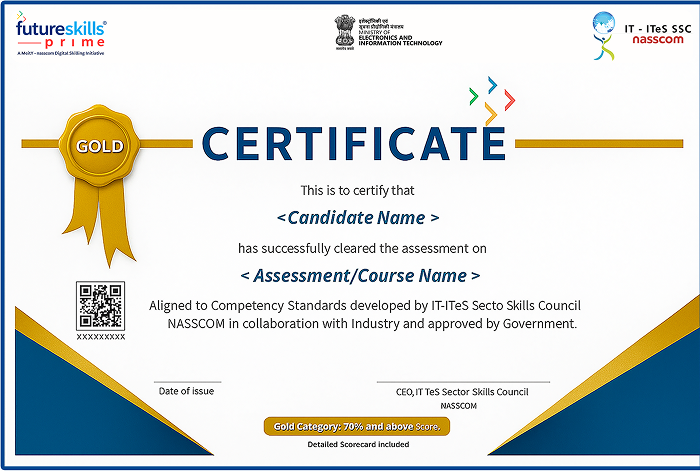
Government-Recognized Certification
Earn a prestigious certification jointly endorsed by FutureSkills Prime and MeitY, ensuring strong credibility and national-level recognition.
Skill-Focused Digital Careers Framework
Learn through a curriculum aligned with India’s future digital workforce standards, designed to build job-ready technical expertise.
Verified & Shareable Credential
Add the MeitY-recognized certificate to your LinkedIn, resume, and professional profiles for enhanced employer visibility.
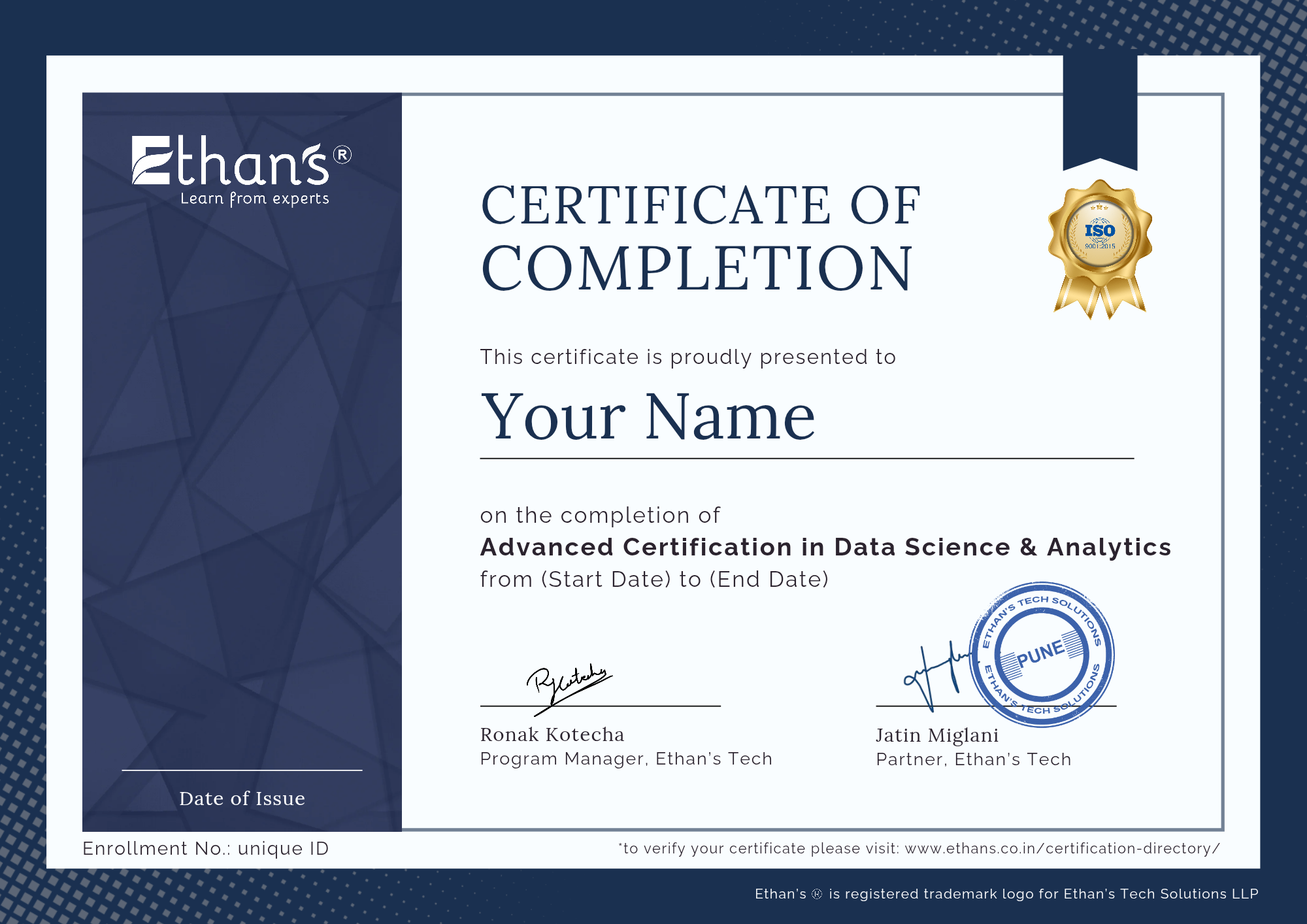
Validated Certification from Ethans Tech
Receive a professional certificate that validates your expertise and is recognized across leading IT companies.
Training Backed by Real-World Expertise
Ethans Tech follows a practical, hands-on training approach aligned with industry needs, boosting your job readiness.
Professional Credential for Career Growth
Showcase your technical skills with a credible certificate that strengthens your portfolio and improves hiring prospects.
Master 12+ In-demand Skills in Cloud Computing & DevOps
- Cloud Computing Fundamentals
- DevOps Fundamentals
- Orchestration with Kubernetes
- AWS, Azure & GCP Basics
- CI/CD Pipeline Implementation
- Infrastructure as Code
- Virtual Machines & Storage
- Version Control with Git & GitHub
- Monitoring & Logging (Prometheus, ELK)
- Networking & Security in Cloud
- Containerization with Docker
- Cloud & DevOps Project Deployment
Why to Join this Program
Guest Lectures by IIT professors
Learn directly from top IIT faculty through hands-on, real-time sessions
Ethan’s Tech Career Track
Flexible timelines to complete your course and projects at your own pace
IIT Approved Mentors
Get personalized guidance and career insights from experienced professionals
Advance Curriculum
Master concepts from basic to expert level through structured, applied learning
4.7

4.6

4.5

Next Batch Starts on
31st Dec
Join 1% Elite Cohort
Why Choose Ethan’s Tech?

OTHERS
- Breadth and Depth of Curriculum
- Beginner-Friendly Bootcamp
- GenAI Integration
- Specialised Paths
- Projects Experience
- Alumni & Outcomes
- Hands-On Learning Model
- Mentorship & Faculty Access
- Comprehensive
- Structured Start
- Fully Applied
- Multiple Tracks
- Real-World & Personalized
- Large Network
- Applied & Practical
- Expert-Led
- Limited
- No On-Ramp
- Light Touch
- One Track
- Minimal & Fixed
- Small Base
- Theory-Heavy
- Basic Support
Our Alumni Works Here!


















What our Students Say
Ethan’s Tech played a key role in shaping my Python development skills. The course focused on core concepts with real-world applications. Trainers explained topics clearly and provided support. This training helped me gain confidence and secure my role as Python Developer at Automata Pvt. Ltd.





Sarthak Arsul







Cloud Engineer | Minutus Computing
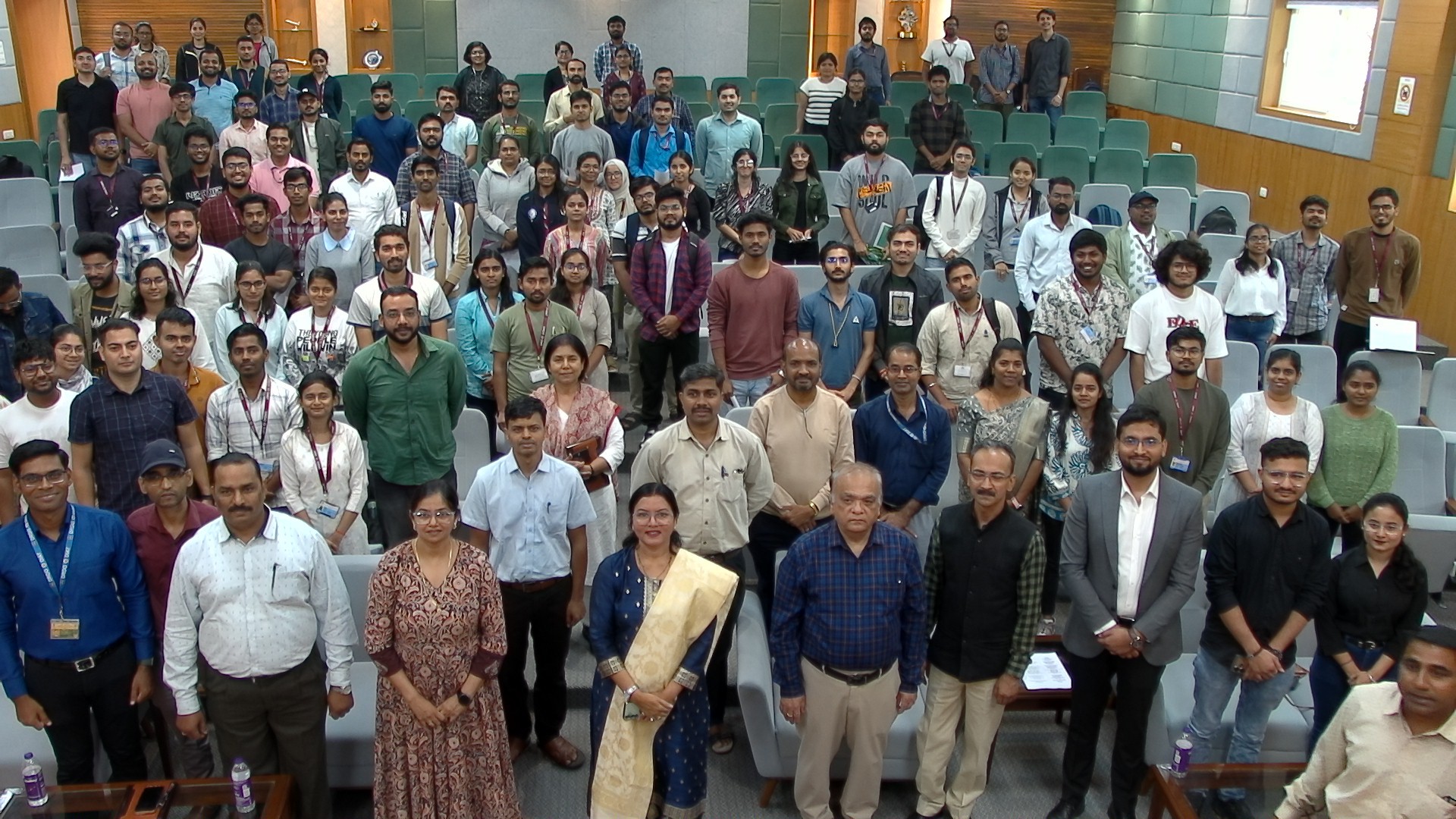
Ethan’s Office Tour
Ethans Tech is a leading professional training institute founded with the mission to bridge the gap between academic learning and real-world skills. With a strong presence in Pune and expanding across India, Ethans Tech has trained thousands of students and working professionals, helping them upgrade their careers in the most in-demand technologies.
The name “Ethans” represents a commitment to “education with excellence”. It’s not just a name; it’s a culture — built by passionate industry experts who believe in practical, hands-on learning rather than rote education. Every trainer at Ethan’s is a seasoned professional with real industry exposure, making the learning experience highly relevant, practical, and impactful.
At Ethans, it’s not just about completing a course — it’s about building a career.
Ethans Tech is a premier professional training institute dedicated to bridging the gap between academic education and real-world industry skills. Headquartered in Pune and expanding across India, Ethans Tech has empowered thousands of students and working professionals to advance their careers in today’s most in-demand technologies. With experienced industry trainers and a strong focus on practical, hands-on learning, the institute ensures highly relevant and career-oriented training that prepares learners to succeed in the professional world.
Get a Free Consultation!
Call us today and get your queries answered by our top experts.
Learners Profile
- 11% – College Graduates (Non-technical backgrounds)
- 23% – B.Tech & M.Tech Graduates (CS, IT, ME, CIVIL)
- 27% – BCA, B.Sc (IT/CS/Maths/Stats) Graduates
- 23% – Early Career Professionals (1–6 years of experience)
- 16% – Career Comeback Learners (with a gap in education or employment)
This blend of learners adds immense value to the learning experience — offering unique perspectives, fresh ideas, and real-world context to every session
Learner Profiles & Trusted Companies
Advanced Certification in Cloud Computing & DevOps FAQs
Everything you need to know about the program.
What are the prerequisites for AWS & DevOps Training in Pune?
Who should go for AWS & DevOps training in Pune?
AWS Training is open to all students. As per our teaching experience teaching students from non-IT backgrounds can also learn this technology. Students in a class are mixed from 1 years of experience to 24 years of working experience. Even CA, CS, BCom, Share Brokers, learning this skill for implementing the same into day to day activities. It’s the finest kick off for the freshers and icing on the cake, for others.
What if I have queries after I complete this course?
Who are the instructors?
Will Ethans be providing any study materials?
What types of courses are available at Ethans?
Does Ethans provide Job Assistance?
Does Ethans provide weekend classes for professionals?
What are the profiles and experiences of trainers at Ethans?
Do I need to pay the complete fee lump sum or I can have an installment facility too?
The fee which I will pay is refundable or transferable?
What are the facilities and infrastructure at Ethans?
Does Ethans provide Online Training?
Yes. Ethans renders Online training too. It’s a virtual and absolutely interactive training by the identical faculties that educate at our different branches with the help of a specific software which is best to intercommunicate online. You will be obtaining uniformly the same study material and assessment in online training as in the classroom. Educating yourself from Ethans Tech either by classroom or online means is the same, as the instructors don’t change. Now, it depends on the students, which mode to prefer based on their comfort levels.
Does Ethans provide facility to repeat the batch?
Does Ethans provide Institutional Certification after the course?
Does Ethan's conduct training at Corporates?
Yes, we are frequently engaged in corporate training being the market leader with a big pool of corporate trainers having a wide network with collaboration with several top MNC’S that ultimately becomes an add-on for placing our students with such references.
What is the admission procedure at Ethans?
How do I find the best cloud computing course near me?
Why is Cloud Computing a Good Career Choice?
Who is Eligible to Join the Cloud Computing Course?
Beginners: Individuals with no prior knowledge of cloud computing but looking to start a career in IT.
IT Professionals: Those seeking to upskill or transition into cloud-based roles like cloud engineers, architects, or administrators.
Students: Engineering and computer science students aiming to specialize in cloud computing Classes in Pune.
Business Professionals: Managers and decision-makers who want to understand cloud solutions to drive digital transformation in their organizations.
Whether you are starting fresh or enhancing your current IT skills, this course caters to various experience levels.